Product Description
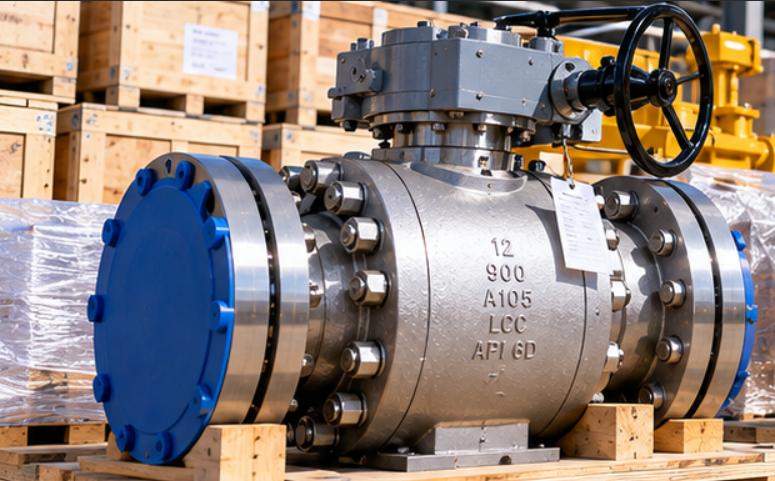
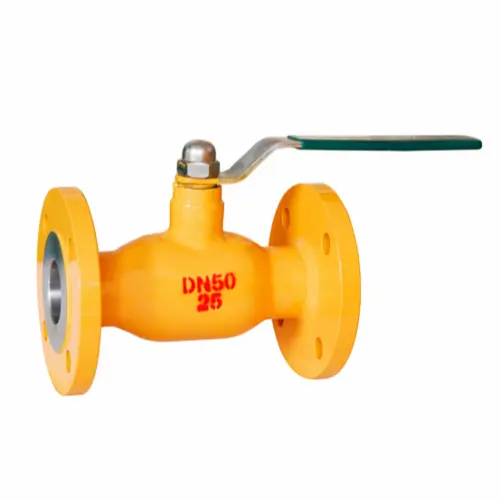
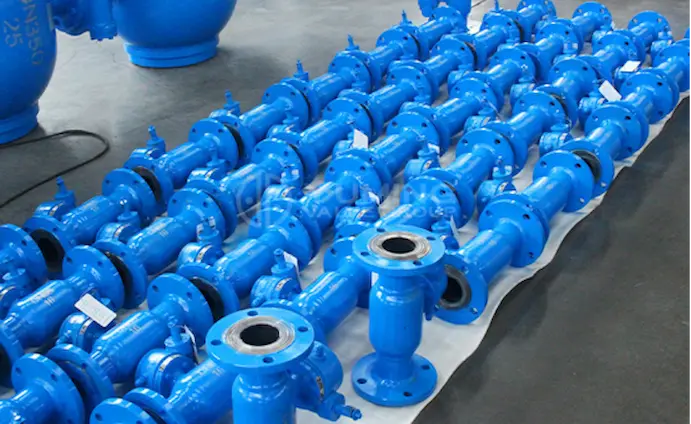
A Flanged Welded Ball Valve combines the strength of a welded joint with the convenience of flanged connections. In many industrial installations—such as long pipeline runs, buried services, or systems with frequent vibration—the welded connection minimizes potential leak points and eliminates the need for repeated flange repacking.
The welded ends are typically butt‑weld or socket‑weld, depending on pipeline specifications, creating a permanent pipeline join that enhances structural integrity. Flanged ends allow for easier integration with valves, strainers, and other inline equipment.
At Vcore Valve, we focus on manufacturing welded ball valves that exceed design expectations and meet the practical challenges of harsh pipeline environments.
 Engineering Rationale
Welded ball valve designs are selected in installations where:
- Permanent pipeline installation is required
- Structural rigidity must be maximized
- Leak paths must be minimized
- Frequent disassembly is not anticipated
Rather than relying on thread fittings or only flanged connections, welded valves are joined directly into the pipeline, which reduces stress concentrations and potential leakage paths.
Once installed, welded ball valves behave like integrated pipeline components, offering reliable shut‑off with simple quarter‑turn operation.
Construction Details
Valve Body:
Typically forged or cast carbon steel (WCB) or stainless steel (CF8/CF8M) depending on service conditions. Material selection considers temperature range, corrosion resistance, and pressure class.
Ball Element:
Precision machined stainless steel spheres (SS304, SS316) are polished to achieve consistent sealing contact and low operating torque.
Seats:
PTFE or reinforced polymer seats ensure tight shut‑off and compatibility with a broad range of fluids. For high temperature or abrasive services, metal seats can be configured.
Stem & Packing:
Non‑blowout stem design with multi‑layer packing prevents fugitive emissions and ensures long life even under cyclic temperature changes.
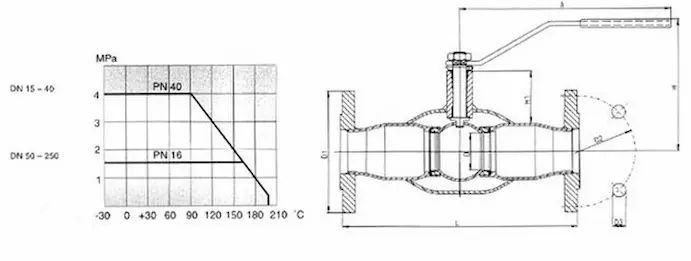
Typical Engineering Specifications
| Parameter | Specification |
|---|---|
| Valve Type | Flanged Welded Ball Valve |
| Size Range | DN15 – DN300 |
| Pressure Rating | PN16 – PN40 |
| Body Material | Carbon Steel / Stainless Steel |
| Ball Material | Stainless Steel |
| Seat Material | PTFE / Reinforced Polymer |
| Connection | Welded Ends + Flanged Ends |
| End Weld Type | Butt Weld / Socket Weld |
| Operation | Manual, Gear, Pneumatic Actuator, Electric Actuator |
| Temperature Range | -20°C ~ +200°C |
| Design Standard | ISO 17292, API 6D (optional) |
| Test Standard | API 598 |
Notes
- Weld type selection (butt vs socket) depends on pipe thickness and fabrication requirements.
- Pressure/Temperature ratings vary with material and seating selection.
Where This Valve is Typically Installed
Flanged welded ball valves are commonly found in:
- Industrial process lines where vibration and thermal cycling occur
- Buried pipelines where flange repacking access is limited
- Long haul distribution pipelines where mechanical stability is critical
- Oil and gas transfer lines requiring high structural integrity
- Chemical service where leak paths must be minimized
In practice, welded ball valves are preferred in systems designed for long service intervals without frequent maintenance or disassembly.
Installation and Service Notes
When preparing for installation:
- Verify weld end dimensions according to the pipeline specification.
- Ensure proper alignment to avoid internal stress once the weld is complete.
- Use qualified welders meeting applicable codes (ASME, API, or local regulations).
- After welding, check alignment before attaching flanges or actuators.
During service, inspection focuses on:
- Seat leakage
- Stem packing condition
- Actuator performance (if fitted)
Unlike threaded or flanged‑only valves, welded ball valves are not typically removed once installed; maintenance is usually at the actuator or seal level rather than the body itself.
FAQs
What distinguishes a flanged welded ball valve from a standard flanged ball valve?
A flanged welded ball valve includes welded pipe ends for permanent joining to the pipeline, while a standard flanged valve uses bolt‑on flange connections at both ends.
When should welded end ball valves be specified?
They are best when pipeline integrity must be maximized, and frequent disassembly isn’t needed—such as in buried services, high‑vibration environments, or high stability lines.
Can this valve be automated?
Yes, welded ball valves can be fitted with pneumatic or electric actuators, enabling remote operation and integration with control systems.
What welding procedure should be used?
Butt welds are common for high‑integrity joints. The selection between butt and socket weld depends on pipe schedule, wall thickness, and fabrication standards.