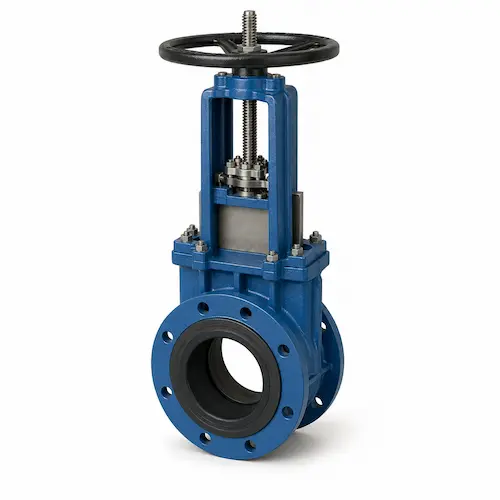
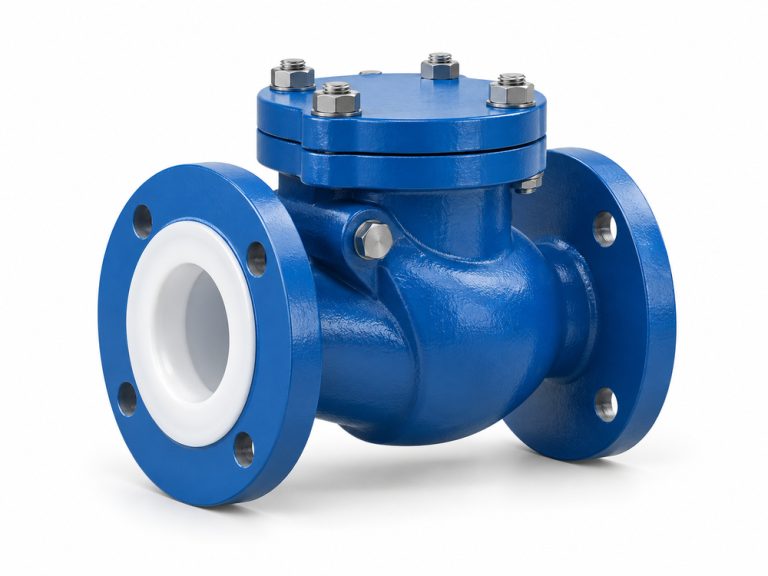
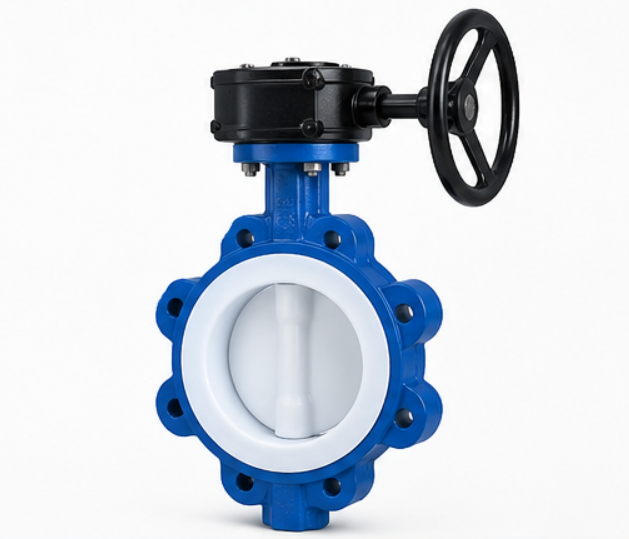
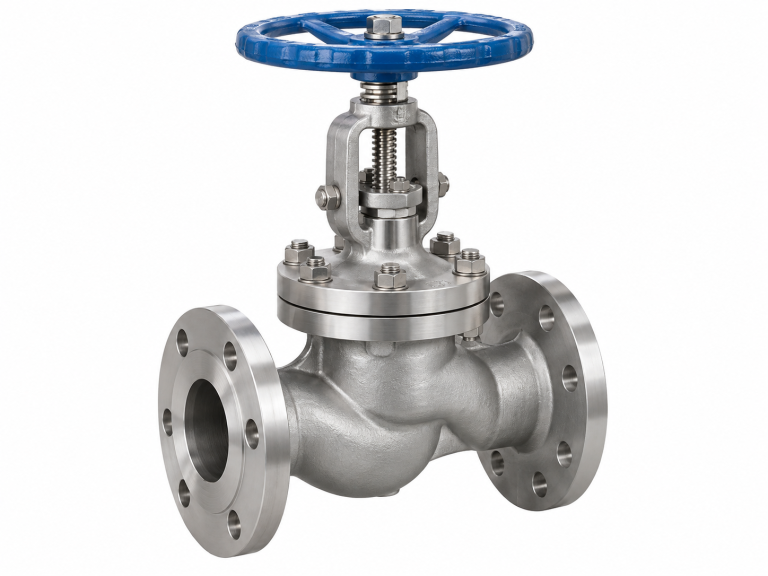
The rubber lining protects the internal valve body and sealing area from direct contact with abrasive or corrosive media. This makes the valve useful in slurry service where a standard metal valve may suffer from wear, buildup or sealing damage. For more lined valve options, you can also visit our rubber-lined valve category.
Product Overview
| Product Name | Rubber Lined Knife Gate Valve |
|---|---|
| Valve Type | Knife gate valve / slurry shutoff valve |
| Main Function | On-off shutoff for slurry, sludge and solid-containing media |
| Lining Material | Natural rubber, EPDM, NBR, neoprene or other rubber compound |
| Body Material | Ductile iron, cast iron, cast steel, carbon steel or stainless steel |
| Gate Material | Stainless steel, coated steel or project-specified material |
| Connection Type | Wafer, lug, flanged or project-specific connection |
| Operation | Handwheel, gearbox, pneumatic actuator, electric actuator or hydraulic actuator |
| Typical Applications | Mining slurry, tailings, sludge, abrasive wastewater, pulp, ash handling and solid-containing pipelines |
What Is a Rubber Lined Knife Gate Valve?
A rubber lined knife gate valve is designed for pipeline systems where the medium is not clean liquid. In slurry and sludge service, solids may settle, build up or damage ordinary valve seats. The knife gate structure helps cut through the medium during closing, while the lined body helps reduce internal wear.
The valve is mainly used for on-off service. It is not normally selected as a precise control valve because continuous throttling can damage the gate, seat and lining. For slurry pipelines, the correct valve should be selected according to solids content, particle size, flow velocity, pressure, temperature and operating frequency.
If the project requires pneumatic operation, you can compare this product with our pneumatic knife gate valve. For heavier abrasive service, our Z73X slurry gate valve may also be useful for comparison.
 How the Knife Gate Structure Works
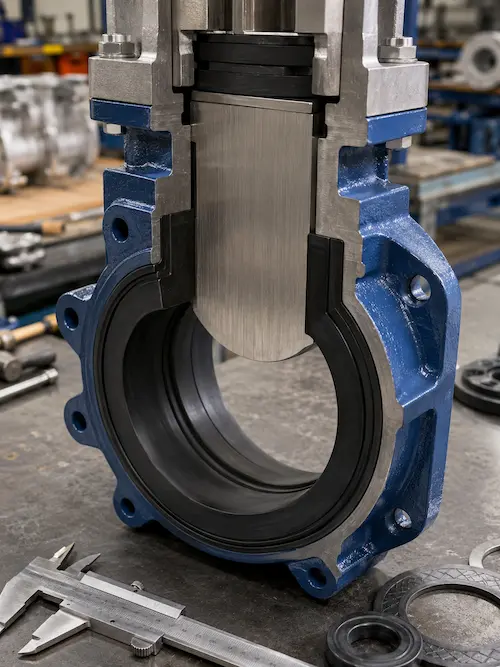 How the Knife Gate Structure Works
The gate moves up and down through the valve body. When the valve opens, the gate lifts out of the flow path. When the valve closes, the gate moves downward and passes through the slurry or sludge until it reaches the seat area.
This structure is useful when the pipeline contains suspended solids or thicker media. The gate edge helps pass through the medium instead of relying only on a soft disc or rotating closure. However, the valve must still be selected carefully. Very hard particles, high flow velocity or unsuitable installation conditions can shorten seat and lining life.
Main Structural Features
- Knife-shaped gate for closing through slurry, sludge and suspended solids.
- Rubber-lined body to reduce direct wear on internal metal surfaces.
- Soft sealing structure for shutoff in suitable slurry and wastewater service.
- Compact body design compared with many full-body gate valves.
- Manual or actuated operation depending on valve size and process requirement.
Rubber Lining and Slurry Protection
The rubber lining is used to protect the valve body from abrasive particles and selected corrosive media. In slurry service, the lining can help absorb particle impact and reduce direct erosion of the metal body. This is especially useful in mining, tailings, wastewater sludge and mineral processing systems.
Natural rubber may be selected where abrasion resistance is the main concern. EPDM may be used for water-based wastewater or sludge service. NBR may be selected if oil is present. Neoprene or other compounds can be reviewed for specific chemical conditions. The correct rubber compound should always be selected based on the actual slurry composition, temperature and chemical compatibility.
For more background on lining material selection in abrasive and corrosive service, see our guide on rubber lined valves for chemical and slurry applications.
Material Options
| Part | Common Materials | Selection Guide |
|---|---|---|
| Body | Ductile iron, cast iron, cast steel, carbon steel, stainless steel | Select according to pressure, pipe size, external environment and corrosion risk. |
| Lining / Seat | Natural rubber, EPDM, NBR, neoprene or special rubber compound | Natural rubber is often considered for abrasive slurry; EPDM is common for water-based sludge; NBR is used where oil resistance is required. |
| Gate | Stainless steel, coated steel or alloy material | The gate should resist abrasion, corrosion and bending under slurry service. |
| Stem | Stainless steel or alloy steel | Stem material should match torque, corrosion level and operating frequency. |
| Packing / Seal | PTFE, rubber, graphite or project-specific packing | Packing should prevent leakage around the stem and match the service medium. |
| Operation | Handwheel, gearbox, pneumatic actuator, electric actuator, hydraulic actuator | Choose according to size, torque, cycling frequency and automation requirement. |
Technical Specifications
| Specification Item | Available Options |
|---|---|
| Product Type | Rubber lined knife gate valve |
| Valve Function | On-off shutoff for slurry and solid-containing media |
| Nominal Size | DN50–DN1200 / 2″–48″, larger sizes available on request |
| Pressure Rating | PN6, PN10, PN16, Class 150 or project-required pressure class |
| Body Material | Ductile iron, cast iron, cast steel, carbon steel or stainless steel |
| Lining Material | Natural rubber, EPDM, NBR, neoprene or other suitable rubber compound |
| Gate Material | Stainless steel, coated steel or project-specified alloy |
| Connection Type | Wafer, lug, flanged or project-specific connection |
| Operation Type | Handwheel, gearbox, pneumatic actuator, electric actuator or hydraulic actuator |
| Suitable Media | Slurry, sludge, tailings, abrasive wastewater, ash slurry, pulp and selected solid-containing media |
| Not Recommended For | Clean high-pressure service requiring precise throttling, severe high-temperature service beyond rubber limits, or media incompatible with the selected rubber compound |
| Testing | Shell test, seat test, operation test, lining inspection and actuator function test if applicable |
| Documentation | Pressure test report, material certificate, inspection report, operation manual and packing photos |
 Applications in Slurry Service
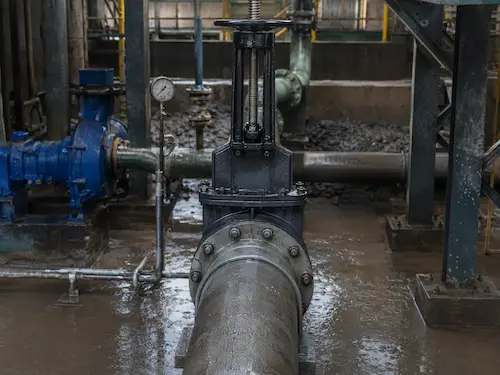 Applications in Slurry Service
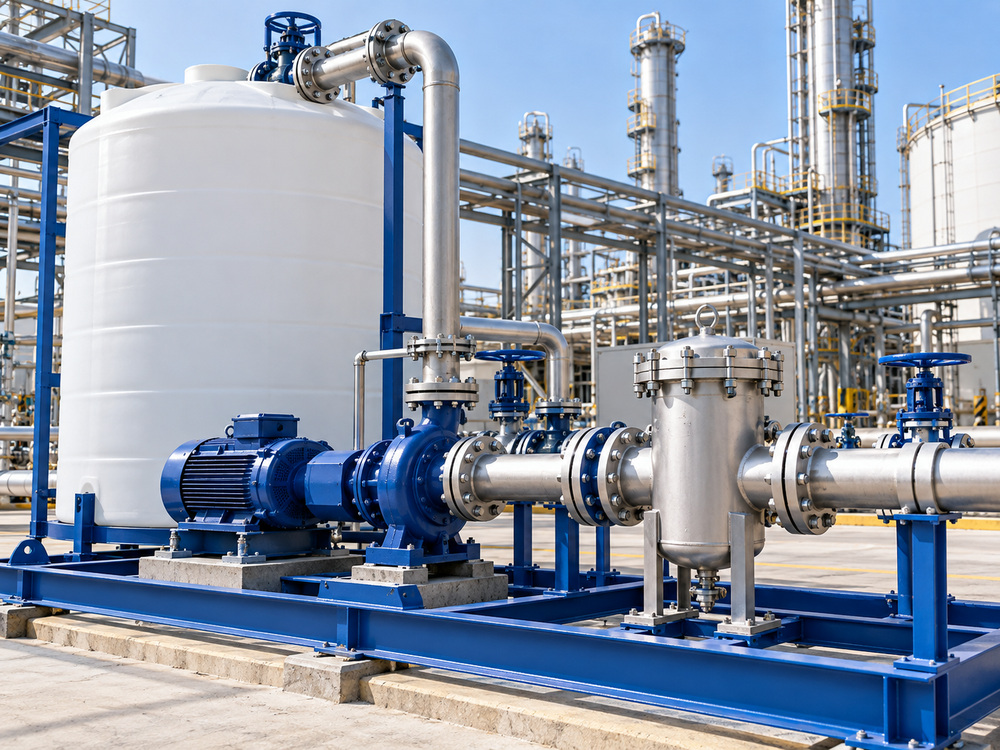
Rubber lined knife gate valves are used in systems where solids are present in the flow. They are commonly installed in slurry handling, sludge discharge, tailings pipelines, mining service and abrasive wastewater systems. For a wider system-level view, you can also review our slurry valve solutions page.
- Mining slurry pipelines
- Tailings transport systems
- Sludge discharge lines
- Abrasive wastewater pipelines
- Mineral processing plants
- Coal washing systems
- Ash handling and slurry discharge
- Pulp and paper slurry lines
- Wastewater treatment sludge systems
- Solid-containing industrial process lines
Media Compatibility and Limitations
Slurry service is not defined only by the liquid. Particle size, particle hardness, solids concentration, settling behavior, velocity and operating frequency all affect valve life. The rubber lining must match both the chemical condition and the mechanical wear condition.
| Media / Service | Suitability | Important Note |
|---|---|---|
| Mining slurry | Common application | Check particle size, hardness, velocity and solids concentration. |
| Tailings | Common application | Natural rubber lining may be considered where abrasion is the main issue. |
| Wastewater sludge | Suitable with review | EPDM or other rubber compounds may be selected according to wastewater chemistry. |
| Ash slurry | Conditionally suitable | Review abrasion level and temperature before selection. |
| Oil-containing slurry | Depends on rubber material | NBR may be needed if oil resistance is required. |
| Strong solvents or aggressive chemicals | Not generally suitable for standard rubber | PTFE-lined or special material options may be required. |
| High-temperature slurry | Needs careful review | Temperature can shorten rubber lining and seat life. |
Knife Gate Valve vs Other Slurry Valve Types
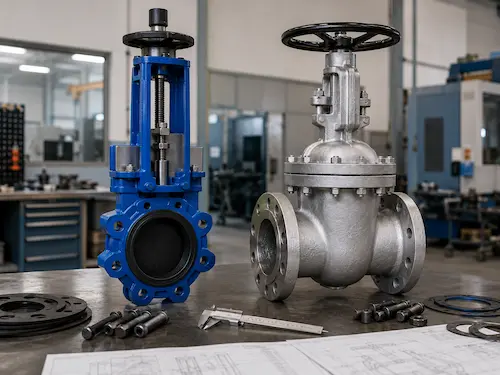
Knife gate valves are useful in many slurry systems, but they are not the only option. The correct valve depends on shutoff requirement, solids level, pressure, cycling frequency and maintenance access. You can also compare broader slurry options in our guide to the best valves for slurry applications.
| Valve Type | Main Strength | Main Limitation | Typical Use |
|---|---|---|---|
| Rubber Lined Knife Gate Valve | Good shutoff option for slurry, sludge and solids-containing media | Not designed for precise continuous throttling | Mining slurry, wastewater sludge, tailings and abrasive pipelines |
| Slurry Gate Valve | More robust body and sealing structure for heavier abrasive service | Usually larger and heavier than standard knife gate valves | Heavy-duty mining and high-solids slurry systems |
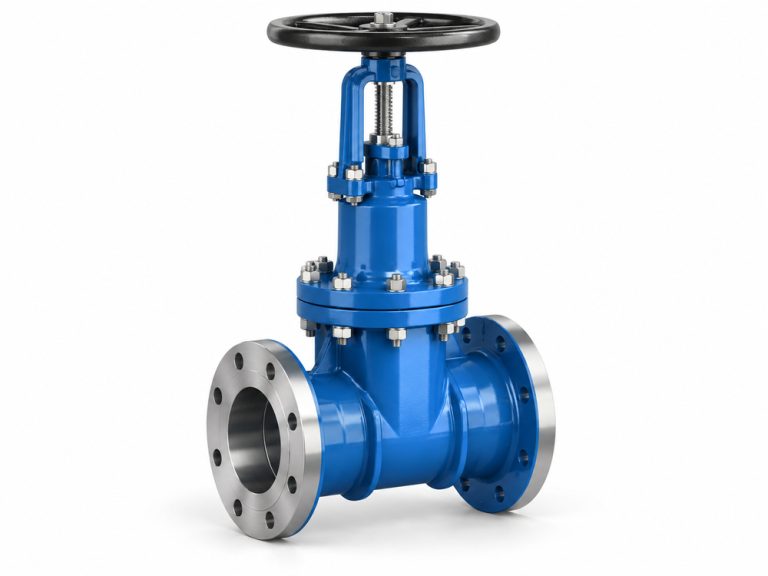
| Rubber Lined Butterfly Valve | Compact and suitable for larger water or mild slurry lines | Disc remains in flow path and may wear in severe slurry | Wastewater, mild slurry and low-to-medium pressure systems |
| Rubber Lined Ball Valve | Good flow path and reliable shutoff in selected abrasive service | Higher cost and torque depending on size and lining | Abrasive slurry where low resistance and tight shutoff are required |
Installation and Operation Notes
Correct installation helps reduce gate wear, seat damage and buildup around the sealing area. In slurry service, the valve should be installed where flow conditions allow the gate to open and close properly. If solids settle heavily near the valve, operation may become difficult over time.
- Confirm flow direction and installation orientation before installation.
- Check whether the valve is suitable for horizontal, vertical or inclined pipeline installation.
- Avoid using the valve for continuous throttling unless the design is specifically approved.
- Review slurry velocity to reduce excessive erosion.
- Check whether flushing, drain or cleaning access is needed.
- Protect rubber-lined flange faces during installation.
- Select actuator torque according to actual slurry condition, not clean water only.
Inspection, Testing and Packing
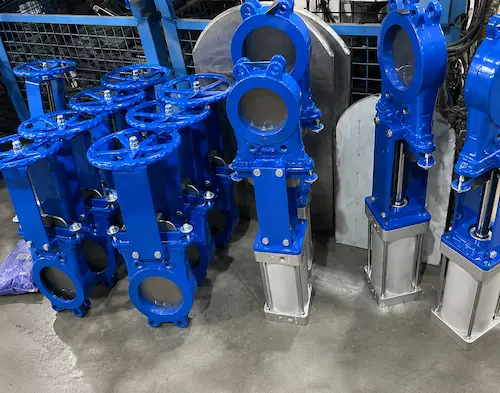
For rubber lined knife gate valves, inspection should focus on the gate movement, rubber lining, sealing area, body pressure test and actuator function. The lining and seat areas should be protected carefully because scratches or deformation can affect sealing performance.
| Inspection Item | Purpose |
|---|---|
| Visual lining inspection | Check lining surface, bonding condition, edge finishing and visible defects. |
| Gate movement test | Confirm smooth opening and closing without jamming or abnormal friction. |
| Dimension inspection | Confirm valve size, flange drilling, face-to-face dimension and installation compatibility. |
| Shell test | Verify body pressure integrity according to the agreed test standard. |
| Seat test | Check shutoff performance under specified test conditions. |
| Actuator function test | Check pneumatic, electric or hydraulic operation if supplied. |
| Packing inspection | Protect gate, lining surface, flange faces and actuator parts before shipment. |
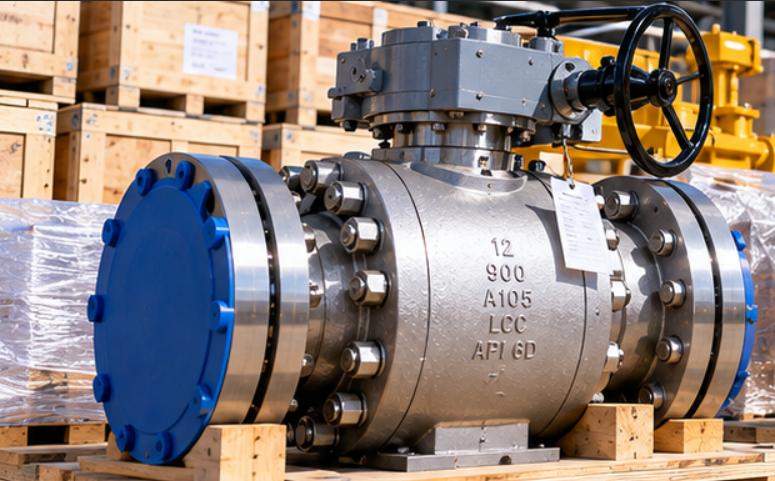
Export packing can include protective flange covers, moisture-resistant wrapping, plywood cases, reinforced crates and palletized loading. For pneumatic or electric operated valves, the actuator and accessories should be fixed securely to avoid impact during transportation.
Information to Confirm Before Ordering
- Valve size and quantity
- Pressure rating and working temperature
- Slurry composition and liquid phase chemistry
- Solids concentration and particle size
- Particle hardness and abrasion level
- Flow velocity and pipeline orientation
- Required valve connection standard
- Body material, gate material and rubber lining material
- Manual, pneumatic, electric or hydraulic operation requirement
- Required testing documents and inspection standard
- Packing method and delivery schedule
FAQ
1. What is a rubber lined knife gate valve used for?
A rubber lined knife gate valve is used for slurry, sludge, tailings, abrasive wastewater and other solid-containing pipeline systems. The knife gate structure helps close through thick or suspended media, while the rubber lining protects the internal valve body and sealing area.
2. Can a knife gate valve be used for slurry service?
Yes. Knife gate valves are commonly used in slurry service, especially where the medium contains suspended solids, sludge or larger particles. The final selection should still consider particle size, solids concentration, pressure, temperature, velocity and operating frequency.
3. Why use rubber lining in a knife gate valve?
Rubber lining helps reduce direct contact between abrasive or corrosive media and the metal valve body. In slurry service, it can help reduce wear around the flow path and sealing area when the rubber compound is correctly selected.
4. Is a rubber lined knife gate valve suitable for throttling?
It is mainly used for on-off service, not precise continuous throttling. Long-term throttling can increase wear on the gate, seat and rubber lining. If flow control is required, the valve design and operating position should be reviewed carefully.
5. What information is needed for quotation?
For quotation, it is recommended to provide valve size, pressure rating, slurry composition, solids concentration, particle size, temperature, flange standard, body material, gate material, lining material, operation method and required testing documents.