Quick Overview
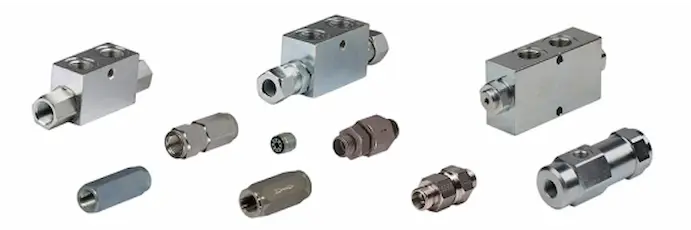
Hydraulic check valves are essential components in fluid systems designed to allow flow in one direction while preventing backflow. They help maintain pressure in the system and protect sensitive equipment from damage caused by reverse flow. This article explains the function, types, and applications of hydraulic check valves.
Opening Scenario
Imagine you’re working in a complex hydraulic system where pressure fluctuations could damage expensive equipment or disrupt the flow. You need a solution to ensure that fluid flows only in one direction, preventing any backflow that could cause system failures. This is where a hydraulic check valve comes into play.
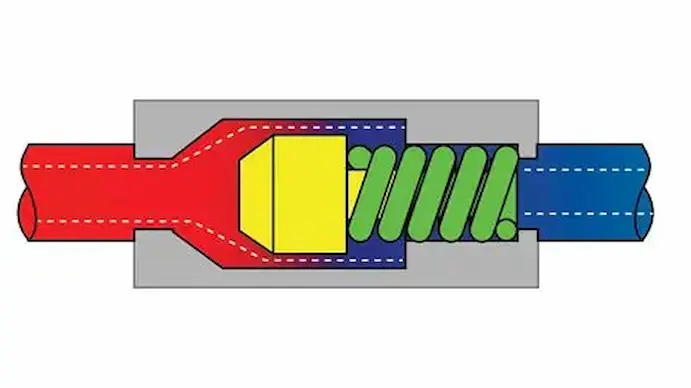
These valves are designed to automatically close when fluid attempts to flow backward, preventing reverse flow and helping maintain the system’s integrity.
Pain Points
When working with hydraulic systems, here are some of the common challenges faced by engineers and operators:
1. Backflow Damage
Reverse flow can damage sensitive components like pumps, seals, and sensors. Backflow also reduces system efficiency and can result in costly repairs.
2. System Performance Issues
Inconsistent flow due to backflow or improper valve performance can lead to pressure drops, reduced efficiency, and even complete system failure.
3. Selection and Sizing Challenges
Choosing the right hydraulic check valve based on the system’s pressure, flow rate, and application can be difficult. An incorrectly sized or chosen valve can cause leaks, inefficiencies, and unnecessary maintenance.
Solutions
The key to avoiding these issues lies in the proper use of hydraulic check valves. Here’s how they can address the common pain points:
1. Preventing Backflow
Hydraulic check valves are designed to allow fluid to flow in only one direction, closing automatically when reverse flow is detected. This ensures that the pressure remains within the system and protects equipment from damage caused by backflow.
At Vcore Valve, we offer durable hydraulic check valves that maintain optimal pressure and prevent backflow, ensuring the longevity of your hydraulic systems.
2. Maintaining Consistent System Pressure
By preventing backflow, hydraulic check valves help maintain system pressure and prevent pressure spikes or drops. This contributes to the smooth operation of hydraulic systems and the protection of components from pressure-related damage.
Vcore Valve provides high-performance check valves that are engineered to maintain consistent pressure and flow in your system, reducing the risk of system failure.
3. Selecting the Right Check Valve for Your System
Choosing the right hydraulic check valve is essential for ensuring optimal system performance. The valve must be selected based on flow rate, pressure, and the specific application. Vcore Valve offers a wide range of check valves designed for various industrial and hydraulic applications, ensuring the perfect fit for your system.
Case Study
A large-scale industrial hydraulic system was experiencing frequent equipment failure due to backflow in the system, which was damaging pumps and other critical components. After implementing hydraulic check valves, the company saw a dramatic improvement in system performance. The check valves effectively prevented backflow, reducing maintenance costs and ensuring that the system ran smoothly without interruption.
Data Analysis
| Valve Type | Functionality | Pressure Range | Flow Control | Application |
|---|---|---|---|---|
| Hydraulic Check Valve | Allows flow in one direction, prevents backflow | Low to High Pressure (up to 100 bar) | Automatic (closes on reverse flow) | Hydraulic systems, water treatment, oil and gas |
| Ball Valve | Full flow control (on/off) | Low to High Pressure (up to 100 bar) | Binary (fully open or closed) | Water pipelines, gas flow, isolation |
| Globe Valve | Fine flow control | Medium Pressure (up to 80 bar) | Adjustable flow | Steam systems, chemical processing |
| Gate Valve | Flow isolation (on/off) | High Pressure (up to 150 bar) | Binary (fully open or closed) | Water treatment, oil pipelines |
This table compares the functionality, pressure range, flow control mechanism, and typical applications for hydraulic check valves, ball valves, globe valves, and gate valves, helping you decide which valve suits your needs.
Trends
1. Rise in Automation in Hydraulic Systems
With the increasing demand for automation, more hydraulic systems are incorporating smart check valves with integrated sensors and actuators. These valves allow for remote monitoring and control, improving efficiency and reducing the need for manual intervention.
2. Demand for Energy-Efficient Solutions
As industries strive for sustainability, the demand for energy-efficient solutions has grown. Hydraulic check valves play a significant role in reducing energy loss caused by backflow and pressure instability, contributing to more energy-efficient hydraulic systems.
3. Focus on Durability and Reliability
With the increasing complexity of hydraulic systems, there is a growing demand for valves that are durable and reliable. Advances in valve materials and design are enhancing the longevity and performance of hydraulic check valves, even in harsh operating conditions.
Usage Advice
When selecting a hydraulic check valve for your system, consider the following:
1. Pressure and Flow Requirements
Choose a check valve that can handle the pressure and flow rate of your system. Ensure that it is rated to withstand the maximum pressure your system operates under to avoid valve failure.
2. Sealing and Material Selection
Look for hydraulic check valves made from durable materials like stainless steel, brass, or carbon steel that offer excellent sealing and resistance to corrosion, ensuring long-lasting performance.
3. Regular Maintenance
Like all valves, hydraulic check valves should be inspected regularly to ensure that the sealing components are intact and that the valve operates correctly. Perform routine checks to identify wear or damage, which can help prevent costly repairs in the future.
Conclusion
Hydraulic check valves are vital for preventing backflow and maintaining system pressure in hydraulic systems. By selecting the right valve and ensuring proper maintenance, you can ensure that your system operates efficiently and safely.
At Vcore Valve, we offer a wide range of hydraulic check valves designed for various industrial applications. Our valves are engineered to provide reliable performance, prevent backflow, and extend the life of your hydraulic systems.
FAQs
1. What is the function of a hydraulic check valve?
A hydraulic check valve allows flow in one direction and automatically prevents backflow, helping maintain pressure and protecting equipment from damage.
2. Can hydraulic check valves be used in high-pressure systems?
Yes, hydraulic check valves are suitable for both low and high-pressure systems, typically up to 100 bar or more, depending on the valve’s design.
3. How do I know if I need a hydraulic check valve?
If your system requires one-way flow and needs to prevent backflow to protect sensitive equipment, then a hydraulic check valve is essential.
4. Are hydraulic check valves more expensive than other types of valves?
Hydraulic check valves tend to be more expensive than simple isolation valves due to their design and the critical function they serve in hydraulic systems.
5. How often should hydraulic check valves be maintained?
Hydraulic check valves should be maintained regularly, especially in systems with high pressure or abrasive fluids, to ensure that the sealing components remain intact and the valve functions properly.
Reference
-
Hydraulic Valve Technologies – Valve World Magazine
-
Optimizing Flow in Hydraulic Systems – Fluid Control Journal
-
Check Valve Selection and Maintenance – Industrial Valve Solutions