Quick Overview
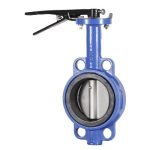
Valve body galvanizing is a key industrial process that helps protect valves from corrosion, extending their service life. Galvanizing involves coating the valve body with a layer of zinc, which significantly improves its durability. In this article, we’ll explore the process, benefits, and applications of galvanizing for industrial valves, as well as when it’s the best option for your systems.
Opening Scenario: Why Galvanizing Matters
Imagine this: A valve installed in a coastal water treatment plant starts showing signs of corrosion just months after installation. It’s frustrating, costly, and could lead to valve failure. The solution? Valve body galvanizing.
By applying a zinc coating, the valve body gets a powerful protective shield that prevents rust and extends its service life. In harsh environments where corrosion is a constant risk, galvanizing offers unparalleled protection.
User Pain Points
Valve corrosion and rust
Without proper protection, valves can corrode and fail prematurely, especially in harsh environments with exposure to moisture, chemicals, or saltwater.
Increased maintenance costs
Frequent valve replacements or repairs can be expensive and time-consuming for operations, impacting productivity and the bottom line.
Short valve lifespan
Corrosion can dramatically shorten the lifespan of valves, leading to frequent replacements and system downtime.
Engineering Solutions and Recommendations
Galvanizing as a corrosion-resistant solution
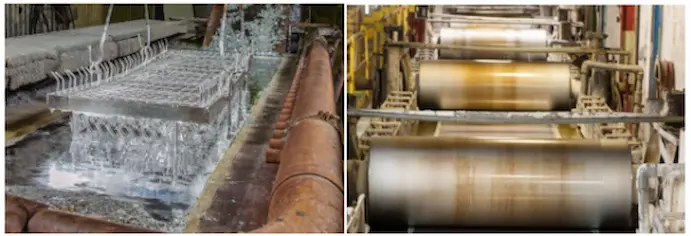
Galvanizing adds an extra layer of protection against environmental elements like moisture and chemicals, significantly increasing a valve’s lifespan. The zinc coating is durable and prevents the formation of rust on the valve surface.
Long-term cost savings
Although the galvanizing process may involve an initial cost, it can save money in the long run by reducing maintenance and replacement costs. It also ensures that your valve systems remain reliable over time.
Ideal for harsh environments
Galvanized valves are perfect for industries like water treatment, oil and gas, and marine operations, where exposure to moisture or corrosive substances is high. These industries often choose galvanized valve bodies for their superior corrosion resistance.
Case Analysis and Real Examples
Case 1: Water treatment plant
A water treatment plant in a coastal region experienced severe corrosion on their installed valves. After replacing standard valves with galvanized valve bodies, they reported a noticeable improvement in valve longevity and reduced maintenance costs. The zinc coating significantly delayed corrosion.
Case 2: Industrial pipelines
In a large-scale industrial pipeline operation, galvanized valves were used for systems exposed to chemicals and moisture. The result was extended valve life and minimized downtime for replacements, showcasing the long-term benefits of galvanizing.
Data, Mechanics, and Technical Comparison
How does galvanizing protect valves?
| Process | Benefit | Application |
|---|---|---|
| Galvanizing | Zinc coating for enhanced corrosion resistance | Water treatment, offshore, chemical industries |
| Powder Coating | A smooth, durable finish, resistant to chemicals | Indoor industrial systems, non-exposed environments |
| Stainless Steel | Naturally corrosion-resistant but costly | Heavy-duty industrial applications requiring longevity |
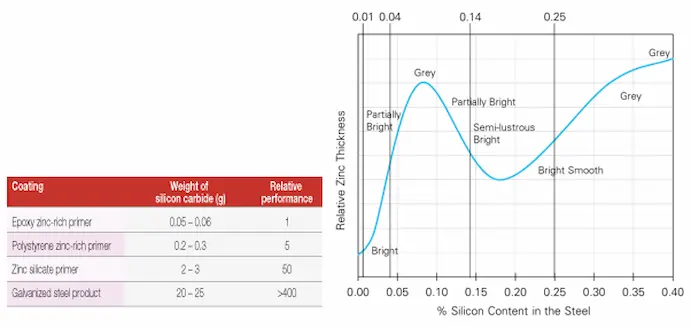
Galvanizing is preferred when valves are exposed to extreme environmental conditions where corrosion is a high risk. The zinc layer reacts with oxygen to form a protective patina that shields the underlying metal from rusting.
Market Trends and Industry Insights
Valve galvanizing is increasingly being adopted in industries with high corrosion risks. While stainless steel valves are still a go-to option for some, the cost-effectiveness and durability of galvanized valves make them an attractive alternative for water treatment plants, chemical manufacturing, and marine applications.
Style and Usage Recommendations
-
Use galvanized valves in environments where corrosion risks are high.
-
Regularly inspect galvanized valve bodies to ensure the integrity of the zinc coating.
-
Pair galvanizing with other protective coatings such as epoxy or polyurethane for additional protection in aggressive environments.
-
Follow proper installation procedures to ensure the longevity of the galvanized layer.
At Vcore Valve, we offer a wide range of galvanized valves, designed to stand the test of time in the harshest environments.
Conclusion
Valve body galvanizing is a powerful way to enhance the durability of industrial valves. The zinc coating not only protects against corrosion but also saves costs by reducing the frequency of replacements. If you’re looking for valve body protection that ensures long-term reliability and performance, consider galvanized valve bodies for your next project.
Contact Vcore Valve for expert guidance and high-quality galvanized valves designed to withstand the toughest conditions.
FAQs
What is valve body galvanizing?
Valve body galvanizing involves applying a zinc coating to the valve body to protect it from corrosion and extend its service life.
Why is galvanizing important?
Galvanizing provides an extra layer of protection against environmental elements like moisture, chemicals, and saltwater, making valves last longer and reducing maintenance costs.
Can all valves be galvanized?
Most valve materials can be galvanized, but it’s especially effective for steel and iron valves exposed to harsh conditions.
What industries benefit from galvanized valves?
Industries such as water treatment, oil and gas, and marine operations benefit greatly from the corrosion resistance provided by galvanized valves.
Is galvanizing expensive?
Although galvanizing involves an initial cost, it can save money in the long run by reducing valve maintenance and replacements.
How long does a galvanized valve last?
A galvanized valve can last significantly longer than a non-galvanized one, especially in corrosive environments, with many lasting several years without needing replacement.
Reference
-
Corrosion Engineering Handbook
-
ASTM A123 – Standard Specification for Zinc (Hot-Dip Galvanized) Coatings on Iron and Steel Products
-
ISO 12944 – Corrosion Protection of Steel Structures