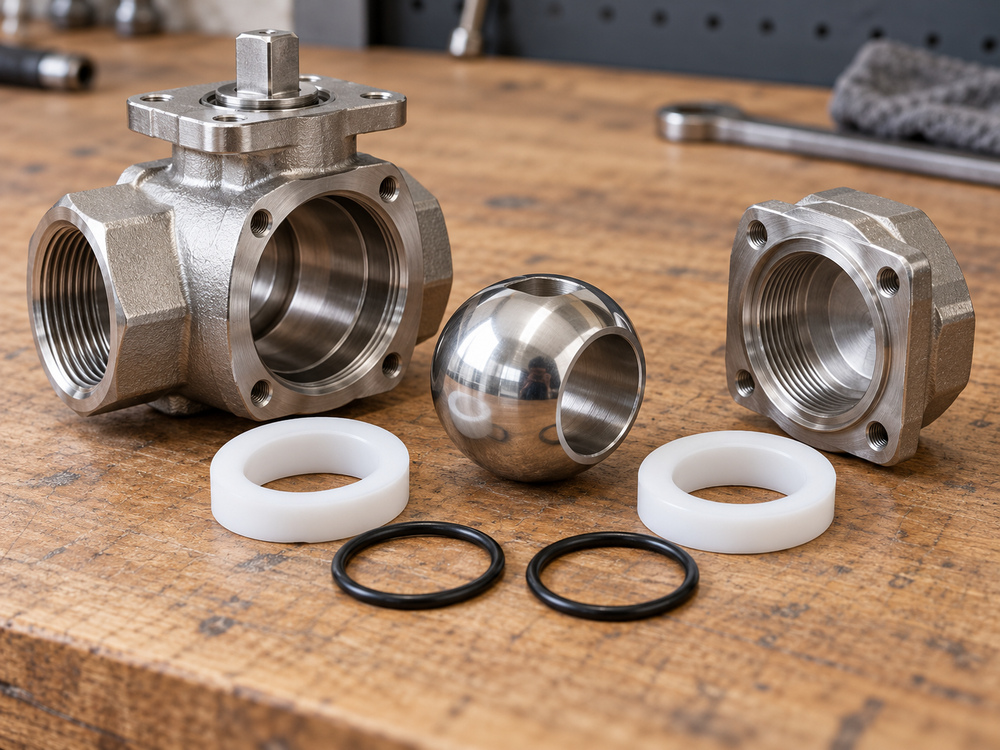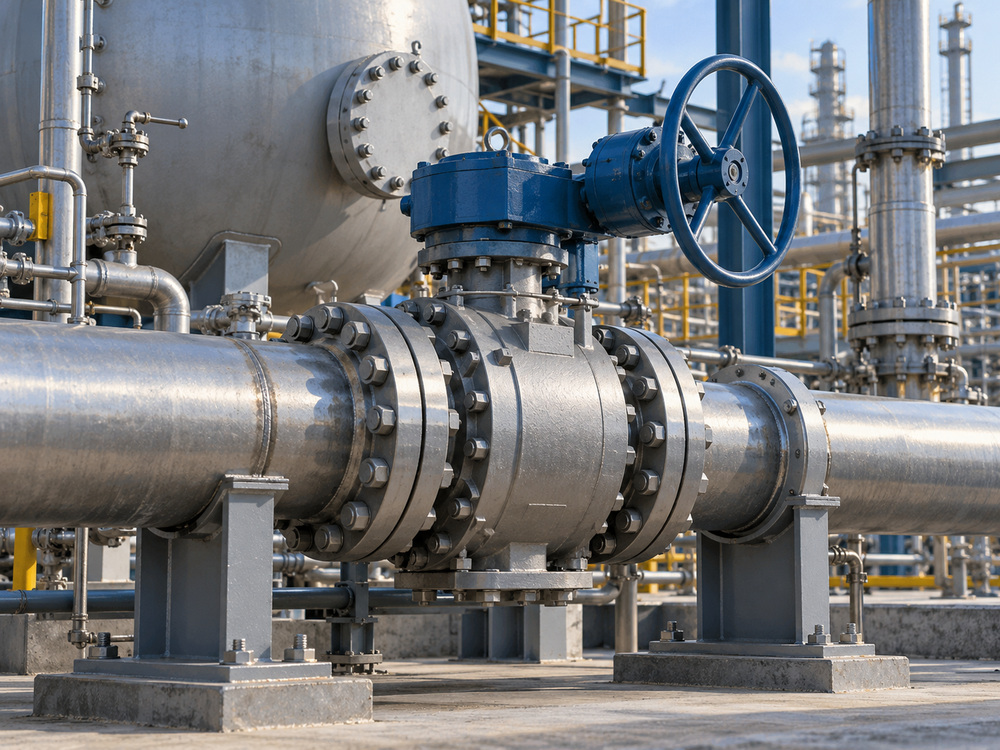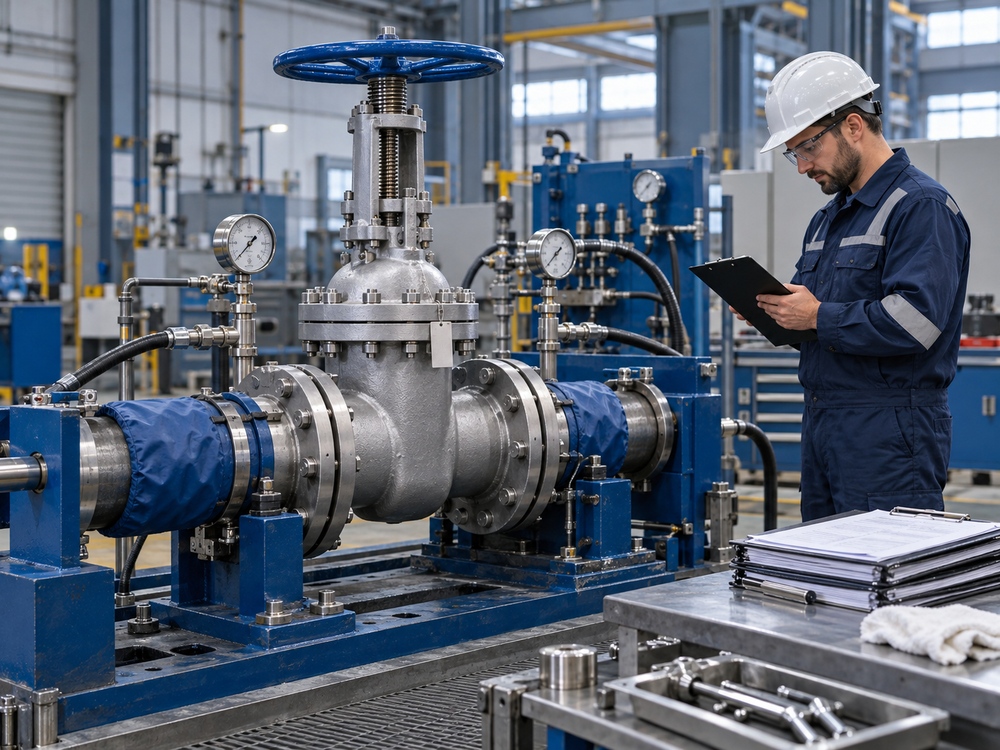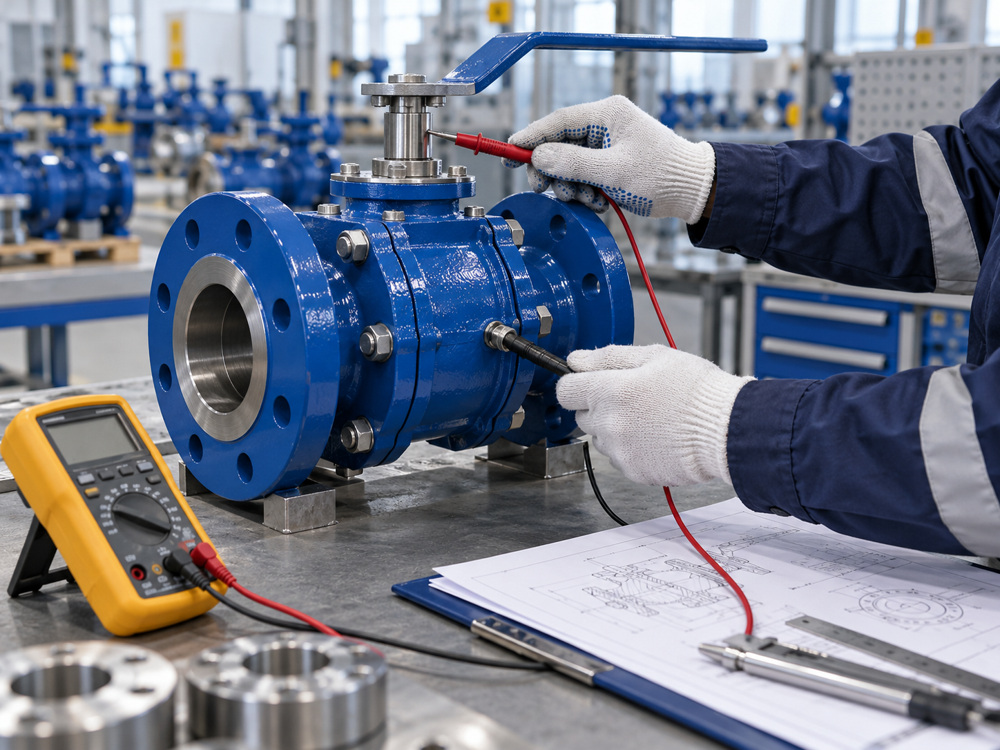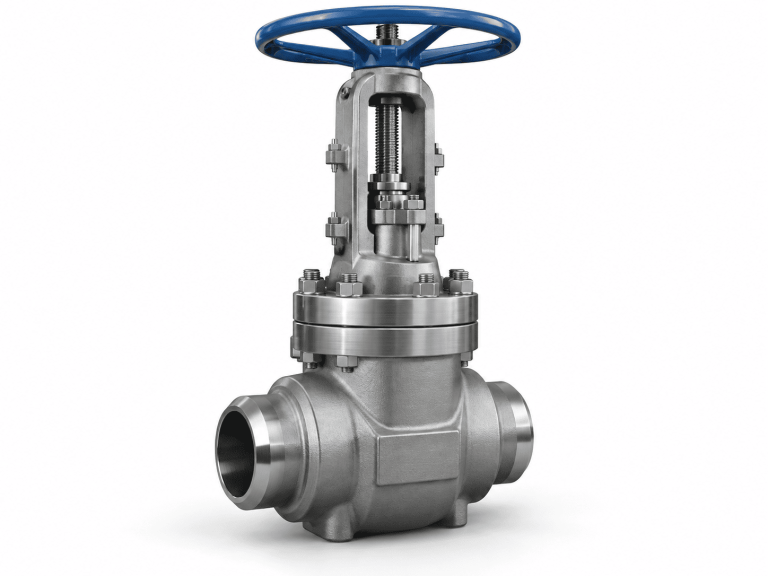
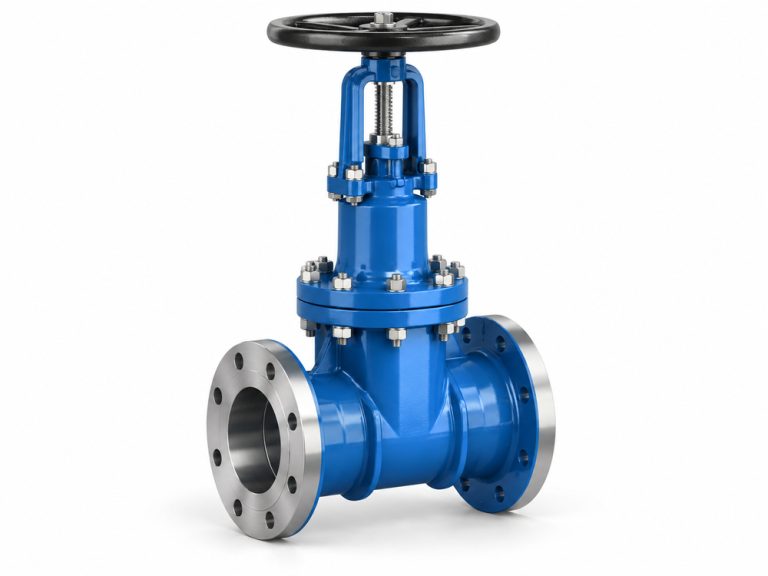
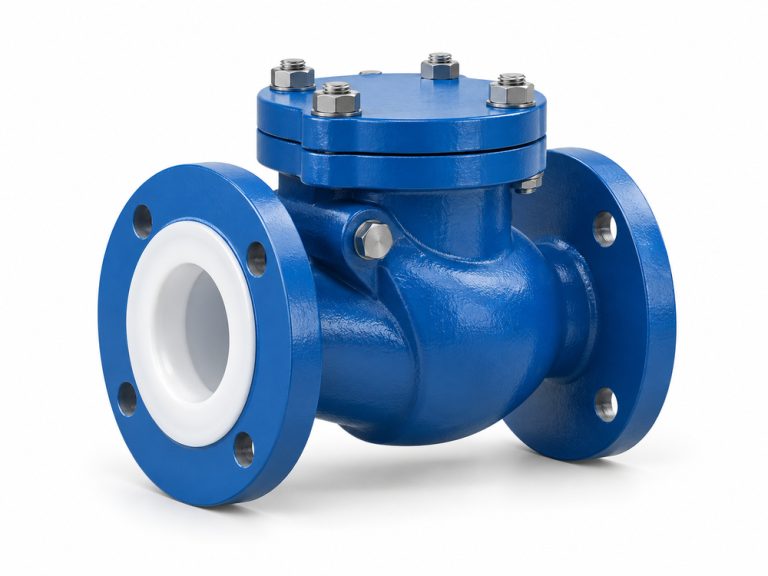
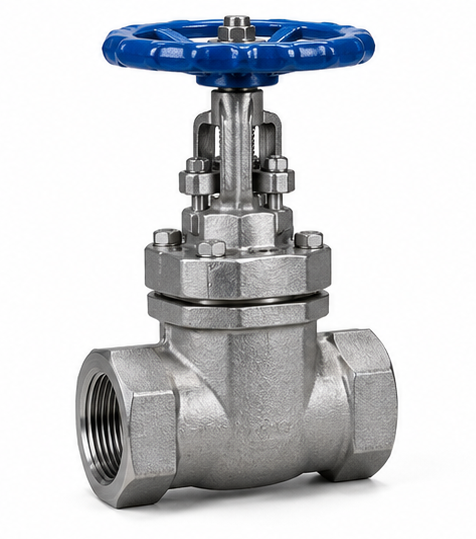
Cast Steel Y Type Strainer
Quick summary: The Cast Steel Y Type Strainer is a pipeline filtration device used before pumps, control valves, heat exchangers and meters. It removes screenable debris while keeping the element accessible for maintenance. Mesh opening, body material, connection type and drain arrangement should be confirmed from the selected model and service data.
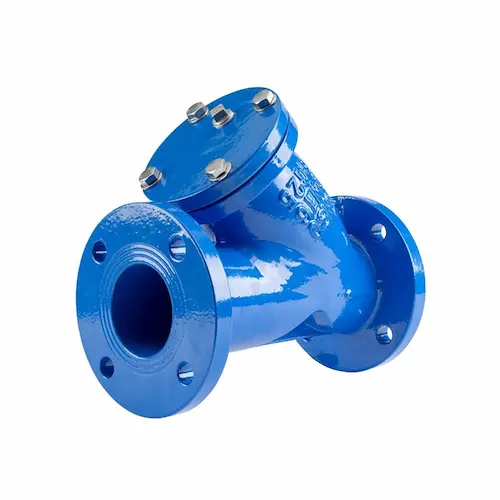
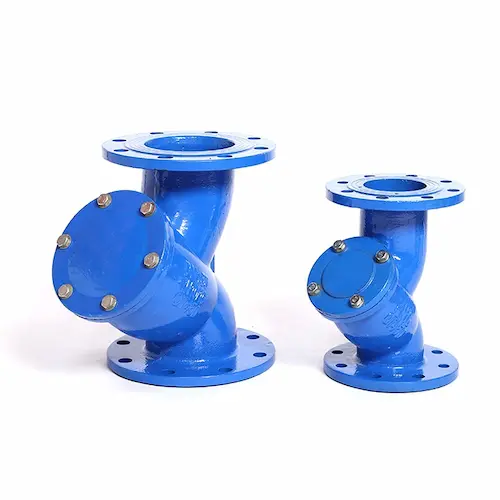
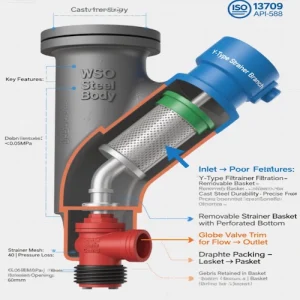
The Cast Steel Y Type Strainer protects downstream equipment from weld slag, rust scale and loose particles in industrial pipelines. It should not be treated as a shut-off valve. Its main job is to place a maintainable screen in the flow path, collect debris in the Y-pattern pocket and let maintenance teams clean or replace the screen when the pressure drop or inspection plan requires it.
Application Review
A Y strainer is commonly installed on pump suction lines, control valve stations, heat exchanger inlets, steam utility lines and water distribution systems. For steam, high temperature, corrosive or dirty service, the gasket, screen material and blowdown method must be checked against the project datasheet.
| Application Area | Engineering Purpose |
|---|---|
| Pump inlet protection | Reduces solids entering impellers, mechanical seals and narrow passages. |
| Control valve stations | Protects seat, plug, cage and trim surfaces from damaging particles. |
| Heat exchanger lines | Helps keep screenable debris away from tubes and small channels. |
| Utility water systems | Provides a maintainable filtration point for plant water and cooling water. |
| Commissioning service | Captures construction debris during flushing and early operation. |
Product Configuration
| Configuration Item | Selection Notes |
|---|---|
| Body material | Cast steel or other approved material should match fluid, temperature and corrosion allowance. |
| Screen element | Mesh or perforation should balance debris capture, pressure drop and cleaning frequency. |
| Cover design | Bolted or threaded cover should provide safe access for screen removal. |
| End connection | Flanged, threaded or welded connection must match the pipe specification. |
| Drain or blowdown | Drain plug or blowdown connection should follow the plant maintenance procedure. |
Technical Specification Review
| Technical Point | What To Confirm Before Ordering |
|---|---|
| Line size and pressure class | Confirm from the selected model, flange standard and project piping class. |
| Operating medium | Check compatibility with water, steam, oil or process fluid and any corrosion risk. |
| Screen opening | Select mesh or perforation based on downstream equipment tolerance and allowable pressure drop. |
| Flow direction | Install according to the body arrow and keep the screen pocket accessible. |
| Maintenance access | Provide clearance for cover removal, screen cleaning and controlled draining. |
Y Type Strainer Compared With Temporary Screens
| Feature | Cast Steel Y Type Strainer | Temporary Pipe Screen |
|---|---|---|
| Maintenance | Designed for repeated cleaning through a cover or drain arrangement. | Often requires line disassembly or removal after startup. |
| Service role | Permanent protection point for operating equipment. | Short-term debris capture during commissioning. |
| Pressure drop | Screen area and mesh can be selected for operating duty. | Geometry is usually limited by temporary installation. |
| Inspection plan | Can be included in routine plant maintenance. | Usually inspected during startup or shutdown only. |
Procurement Checklist
| Checklist Item | Reason For Review |
|---|---|
| Fluid and solids profile | Particle size, concentration and fouling tendency influence screen selection. |
| Installation orientation | Orientation affects debris collection, drainage and maintenance access. |
| Downstream equipment sensitivity | Pumps, valves, meters and heat exchangers may require different screen openings. |
| Isolation plan | Safe cleaning needs upstream/downstream isolation and a controlled drain method. |
| Inspection documents | Material certificate, pressure test record and drawing should match the selected model. |
Selection Notes for Cast Steel Y Type Strainer
When selecting a Cast Steel Y Type Strainer, engineers should review debris load, cleaning interval, screen opening and maintenance space together. A Cast Steel Y Type Strainer before a control valve may need a finer screen than one used only for coarse pump protection. If a project references ASME, MSS, EN or other standards, the applicable edition and inspection scope should be confirmed on the datasheet instead of assumed from the product name. General code and standards information can be reviewed at ASME Codes and Standards, while the final compliance statement must come from the selected Vcore Valve model documentation.
FAQ
Is the Cast Steel Y Type Strainer a shut-off valve?
No. It is mainly a filtration and protection device. Separate isolation valves are normally required for safe cleaning and maintenance.
How should the screen mesh be selected?
The mesh or perforation should be chosen according to downstream equipment tolerance, debris size and allowable pressure drop. It should not be assumed without a project datasheet.
Can this strainer be used for steam service?
It may be suitable for steam when the selected material, gasket, pressure rating and installation method match the service. Confirm these details before ordering.
What documents should be requested?
Common documents include dimensional drawing, material certificate, pressure test record and packing list. Project-specific inspection documents can be requested when required.
For matching isolation valves, review the Vcore Valve gate valve range.