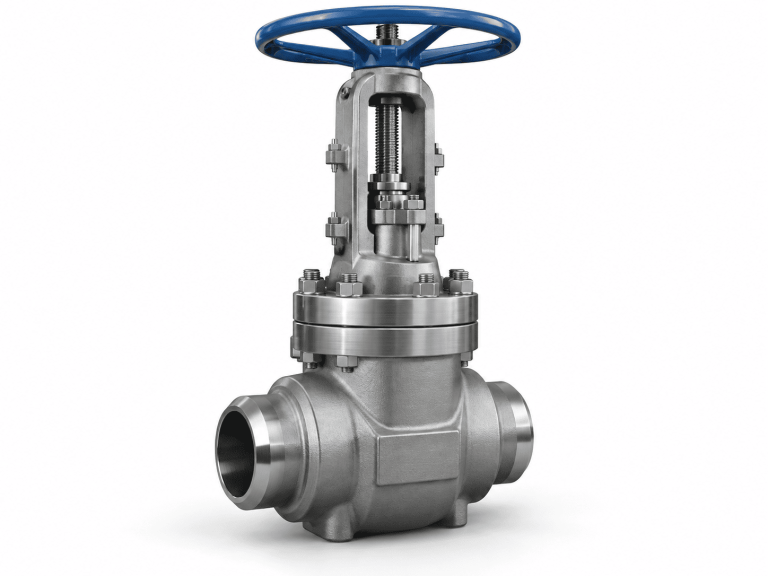
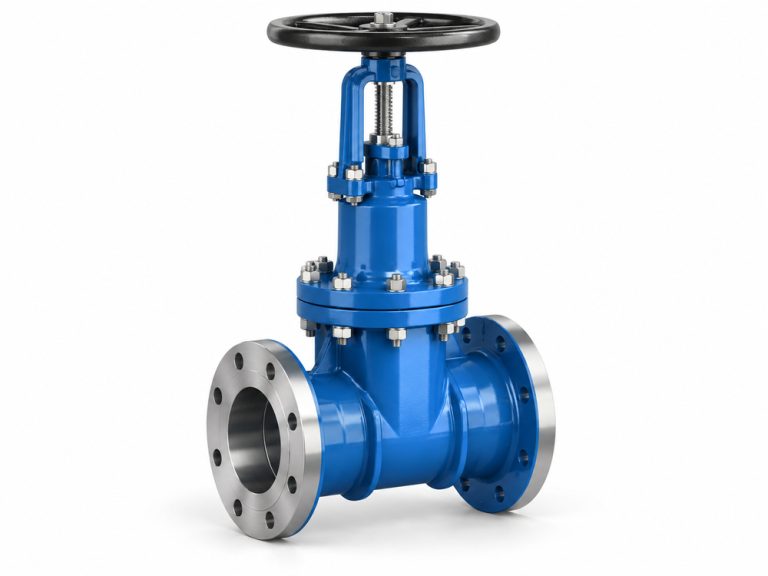
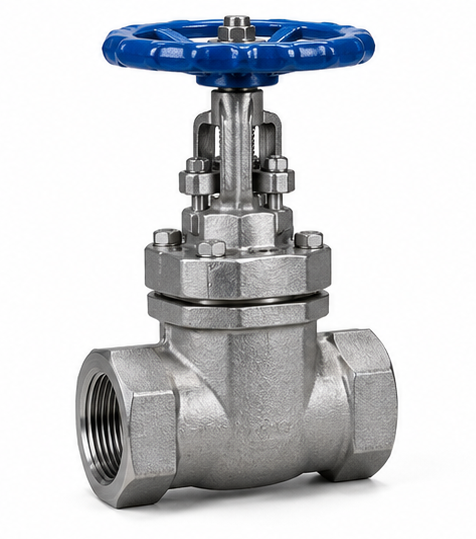
Frictionless Gate Valve
Quick summary: The Frictionless Gate Valve is designed for isolation duties where smooth opening, reduced seat rubbing and long-term sealing reliability matter. Vcore Valve recommends confirming body material, seat design, operator type, connection and inspection documents against the selected model and service data before ordering.
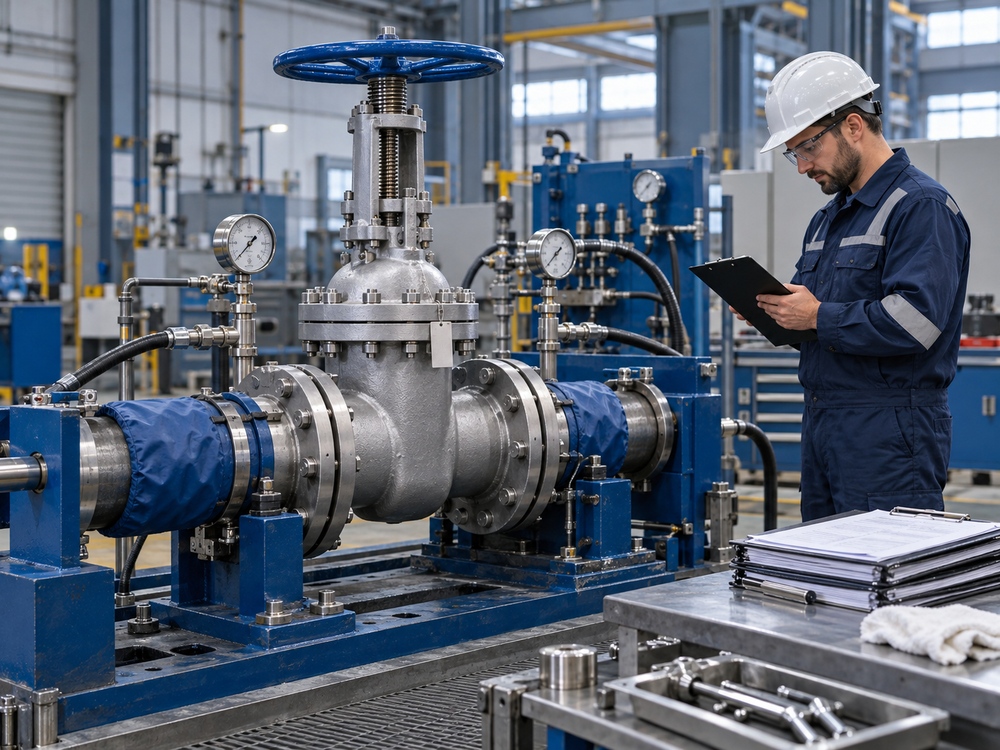
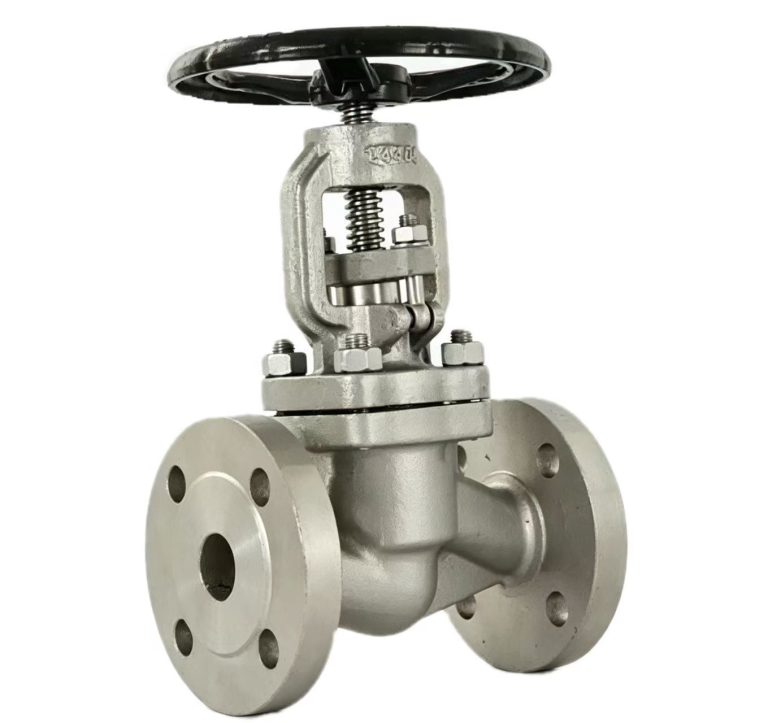
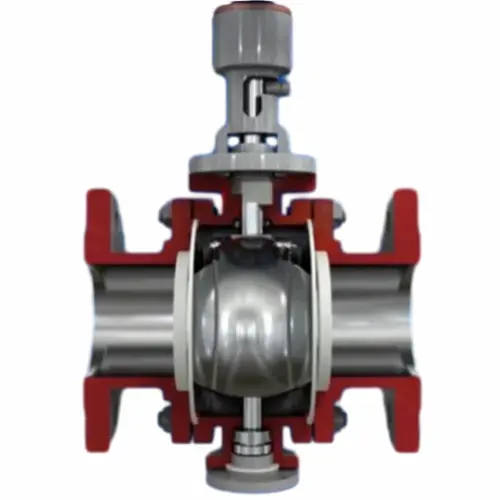
The Frictionless Gate Valve is used as an on-off isolation valve in water, utility, process and general industrial pipelines. Compared with a conventional wedge gate that can rub heavily against the seats during travel, a friction-reducing gate design aims to reduce operating torque and protect sealing surfaces. The exact mechanism and sealing arrangement must be checked on the selected product drawing because frictionless designs can vary by manufacturer and model.
Service Applications
| Application | Why It Matters |
|---|---|
| Water and utility pipelines | Low operating effort helps operators open and close large isolation points more predictably. |
| Process isolation | Reduced seat rubbing can help maintain sealing performance during repeated operation. |
| Pump stations | Smooth isolation supports maintenance around pumps and strainers. |
| Remote or actuated systems | Lower torque may reduce actuator sizing pressure, subject to confirmed torque data. |
| Plant distribution headers | Reliable shut-off supports section isolation for inspection or repair. |
Product Configuration
| Configuration Item | Selection Notes |
|---|---|
| Body and bonnet | Material should match fluid, temperature, pressure class and corrosion conditions. |
| Gate and seat design | Confirm the exact friction-reducing mechanism from the drawing or datasheet. |
| Stem arrangement | Rising or non-rising stem selection depends on space, visibility and maintenance preference. |
| Operation method | Handwheel, gearbox, electric or pneumatic actuation should be selected from torque data. |
| End connection | Flanged, welded or other connection must match the project piping specification. |
Technical Specification Review
| Technical Point | What To Confirm |
|---|---|
| Size and rating | Confirm from the selected model and do not assume from the product family name. |
| Seat material | Choose based on fluid cleanliness, temperature, corrosion and required sealing behavior. |
| Operating torque | Use supplier torque data for gearbox or actuator selection. |
| Leakage requirement | Define the required test and acceptance criteria in the purchase specification. |
| Inspection documents | Request drawing, material certificate and pressure test report for the ordered configuration. |
Frictionless Gate Valve Compared With Standard Gate Valve
| Feature | Frictionless Gate Valve | Standard Gate Valve |
|---|---|---|
| Seat contact during travel | Designed to reduce rubbing against sealing surfaces. | Seat contact may be higher depending on wedge and guide design. |
| Operating torque | Often selected where smoother operation is valuable, subject to torque data. | Torque depends strongly on size, pressure and service condition. |
| Maintenance focus | Review seat protection, stem condition and guide surfaces. | Review wedge wear, seat wear and packing condition. |
| Best use | Isolation points needing repeated or lower-effort operation. | General shut-off duty where standard operation is acceptable. |
Procurement Checklist
| Checklist Item | Reason |
|---|---|
| Confirm actual service | Fluid, solids, temperature and cycling frequency affect seat and stem choices. |
| Check torque data | Actuator or gearbox sizing should be based on confirmed torque values. |
| Review installation space | Stem travel, handwheel clearance and maintenance access must fit site conditions. |
| Define test scope | Pressure and leakage testing should match project requirements. |
| Match documents | Certificates and drawings should correspond to the ordered model. |
Selection Notes for Frictionless Gate Valve
A Frictionless Gate Valve should be selected for the actual isolation duty, not only for the low-friction name. Engineers should review the drawing to confirm how the gate separates from the seats, how the stem transmits force and how the seat surfaces are protected. A Frictionless Gate Valve used with an actuator also needs confirmed torque data. General code and standards information can be reviewed at ASME Codes and Standards, while final compliance must come from the selected Vcore Valve model documentation.
FAQ
What makes a Frictionless Gate Valve different?
It is intended to reduce seat rubbing during opening and closing, but the exact mechanism should be confirmed from the selected model drawing.
Can it be used for throttling?
No. Like most gate valves, it should normally be used fully open or fully closed, not as a throttling valve.
How is actuator size selected?
Use confirmed valve torque data, safety factor and site power or air supply information.
Which documents should be requested?
Request dimensional drawing, material certificate, pressure test report and packing details for the selected configuration.
For other shut-off products, review the Vcore Valve gate valve range.