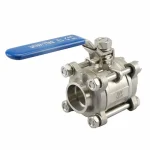
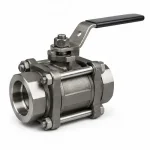
Cryogenic valves are used in LNG storage and transport because ordinary valve designs may lose toughness, leak or become difficult to operate at very low temperature. LNG service can expose valves to around -162 C, so body material, trim, seats, stem extension, testing and cleaning must be selected carefully.
Why LNG Needs Special Valves
At cryogenic temperature, some materials become brittle, seals shrink and moisture can freeze around the stem. A normal valve may pass a room-temperature pressure test but still fail in LNG service. A cryogenic valve should be designed for low-temperature toughness, controlled leakage and safe operation during cooldown and startup.
Common Cryogenic Valve Choices
| LNG duty | Common valve path | Critical RFQ detail |
|---|---|---|
| Fast isolation | cryogenic ball valves | Seat design, stem extension, pressure class and leakage requirement. |
| Line isolation in larger sizes | cryogenic gate valves | Material grade, bonnet extension and cold test requirement. |
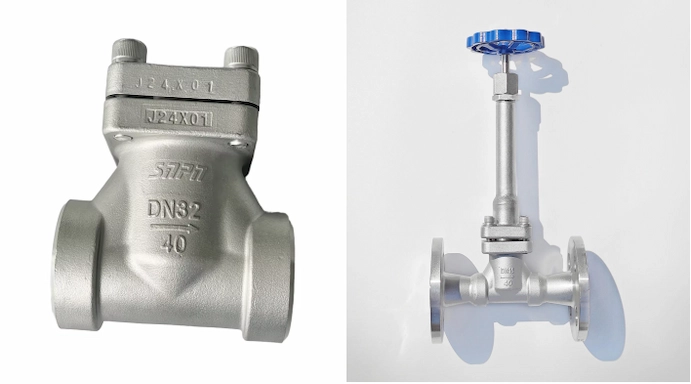
| Backflow protection | cryogenic check valves | Flow direction, cracking pressure and installation orientation. |
| Flow or pressure control | cryogenic control valves | Cv, pressure drop, cavitation risk and actuator package. |
Material Toughness Is the First Check
Austenitic stainless steels are commonly used in cryogenic service because they maintain toughness at low temperature. Carbon steel is not suitable for LNG cryogenic temperature. The exact material should match the project standard, pressure class and required certificates. For general material selection logic, see valve material selection guide.
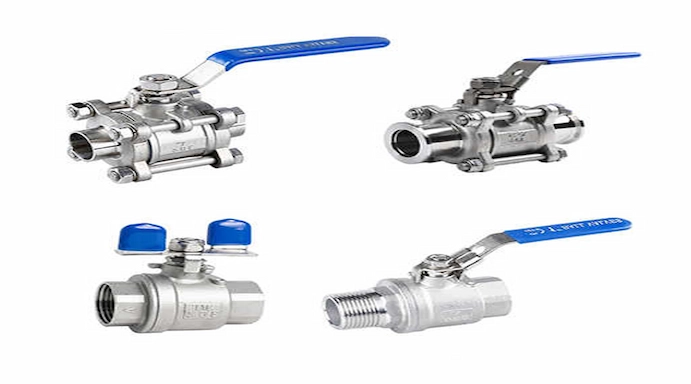
Extended Bonnet Design Protects the Packing Area
Many cryogenic valves use an extended bonnet to keep stem packing away from the coldest zone. This helps reduce freezing and keeps the packing area at a more stable temperature. The installation orientation should also be reviewed because some cryogenic valve designs require the stem to be installed in a specific position.
Leakage Performance Is a Safety Issue
LNG leakage can create vapor clouds, fire risk and operational shutdown. Seat leakage, stem leakage and body leakage must be controlled. Buyers should confirm low-temperature test requirements, seat material and whether helium or cryogenic testing is required by the project.
Pressure Rating Must Be Checked at Temperature
Pressure class should be confirmed together with operating temperature and applicable standard. Our valve pressure-temperature rating guide is useful when buyers need to understand rating concepts before final engineering approval.
Certificates and Testing Should Be Agreed Early
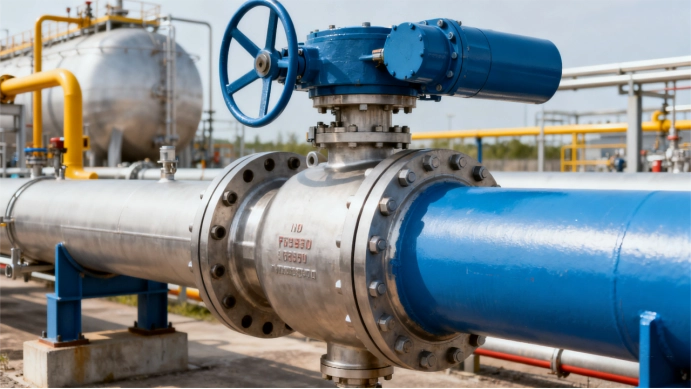
LNG projects often require material certificates, pressure test reports, low-temperature test reports, PMI, NDT and third-party inspection. These documents should be specified before production. Our valve certificates and quality documents article explains the common document package.
RFQ Checklist for Cryogenic Valves
- Valve type, size, pressure class and end connection
- Design temperature, operating pressure and LNG service details
- Body material, trim, seat and seal requirements
- Extended bonnet requirement and installation orientation
- Manual, pneumatic or electric operation
- Low-temperature test, leakage test and certificate requirements
- Cleanliness, packing and shipment protection requirements
Practical Recommendation
For LNG storage and transport, do not select cryogenic valves only by size and pressure class. Send us the temperature, pressure, medium, valve type, connection standard and required testing documents. We can help prepare a cryogenic valve package for technical review and quotation.
FAQ
Why do cryogenic valves need an extended bonnet?
The extended bonnet helps keep stem packing away from the coldest area, reducing freezing risk and improving sealing reliability.
Can ordinary stainless steel valves be used for LNG?
Only if the valve is designed, tested and documented for cryogenic LNG service. Ordinary valves should not be assumed suitable.
What documents are important for LNG cryogenic valves?
Material certificates, pressure test reports, cryogenic test reports, PMI, NDT and third-party inspection records may be required.