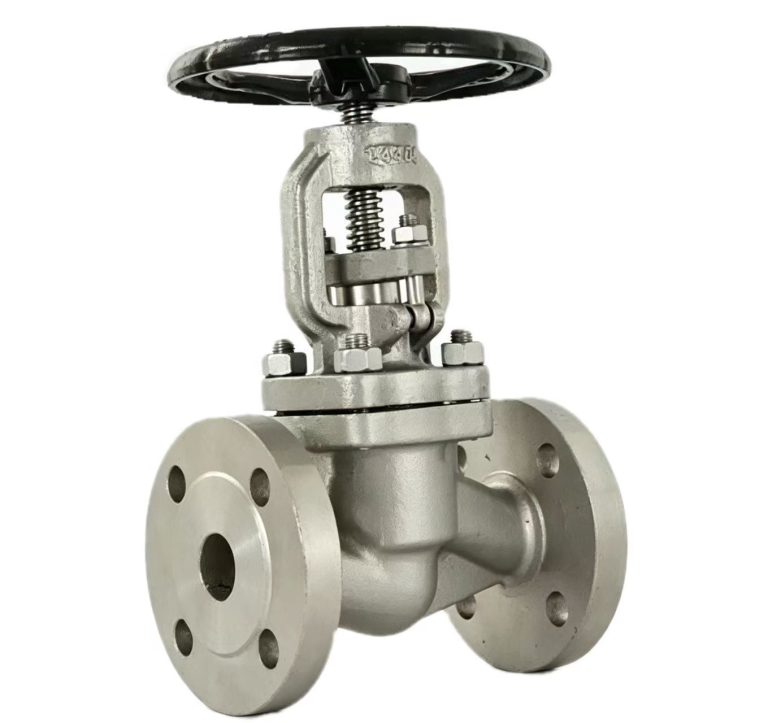
Cryogenic Globe Valve for LNG and Low Temperature Service
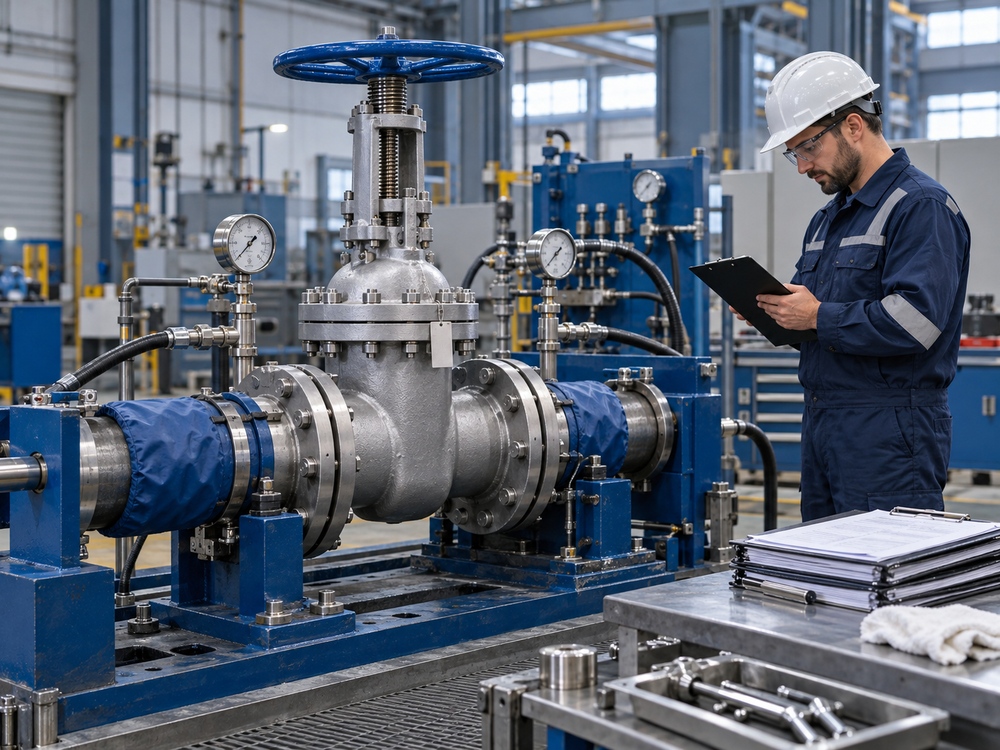
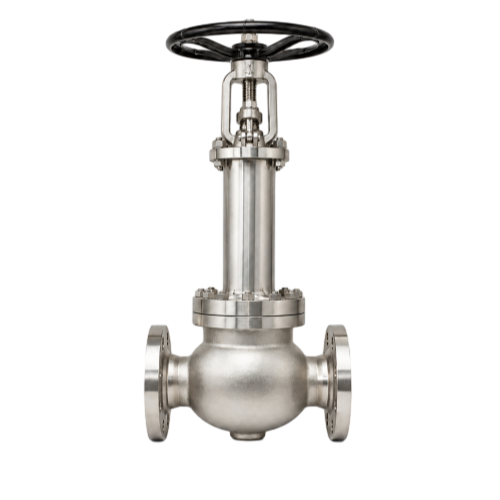
Cryogenic Globe Valve is designed for shut-off and controlled flow adjustment in LNG, liquid nitrogen, liquid oxygen, liquid argon and other low-temperature process systems. The valve can be supplied with an extended bonnet, low-temperature body and trim materials, cryogenic-compatible packing and project-specific inspection requirements.
Unlike a standard globe valve, cryogenic service requires additional review of minimum design temperature, material toughness, thermal contraction, bonnet extension height, packing location, installation orientation and low-temperature testing.
Product Specifications
| Product Type | Cryogenic Globe Valve / Low Temperature Globe Valve |
| Primary Function | Shut-off, isolation and controlled throttling |
| Typical Media | LNG, liquid nitrogen, liquid oxygen, liquid argon and selected cryogenic fluids |
| Minimum Design Temperature | According to selected material, valve design and project specification |
| Size Range | According to selected valve series and approved project drawing |
| Pressure Rating | According to body material, temperature and approved pressure-temperature rating |
| Body Material | LCB, LCC, CF8M, CF3M, F316, F316L or project-specified low-temperature material |
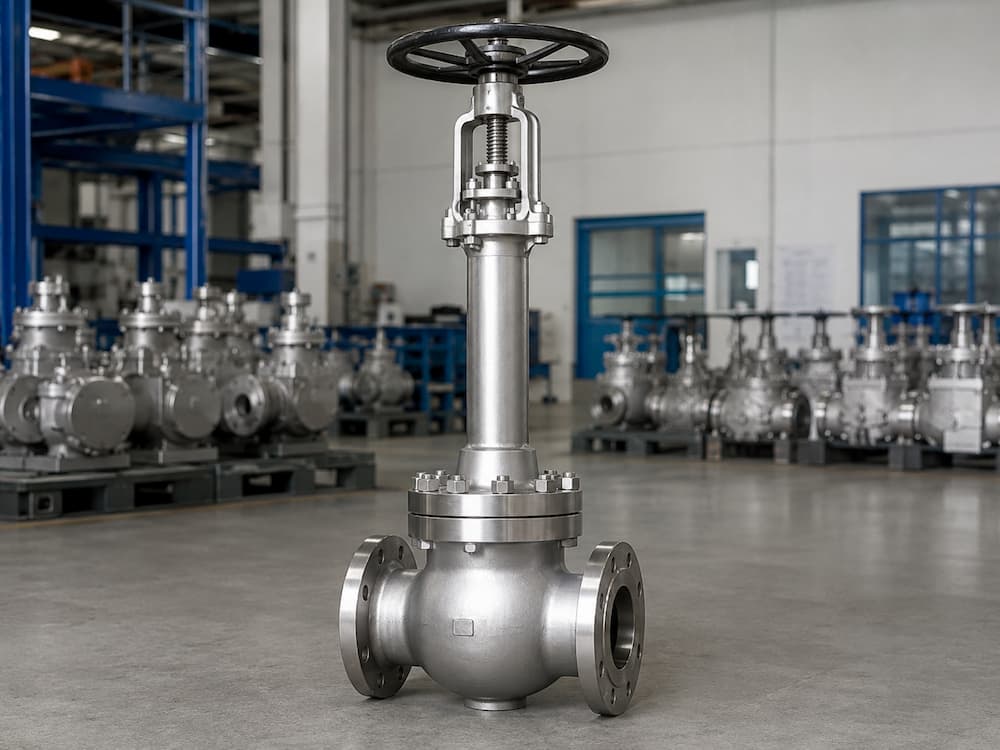
| Bonnet Design | Extended bonnet for cryogenic service |
| Trim | Stainless steel, hardfaced alloy or project-specified cryogenic trim |
| Seat | Metal seat or project-specified sealing design |
| Packing | Low-temperature compatible packing selected according to service conditions |
| End Connection | Flanged RF, RTJ, butt weld, socket weld or project-specific connection |
| Operation | Handwheel, gearbox, electric actuator or pneumatic actuator |
| Inspection | Pressure test, seat leakage test, cryogenic test, PMI and project-required inspection where specified |
Final pressure rating, minimum temperature, material, leakage requirement and test scope must be confirmed from the approved datasheet and project specification before production.
Key Features
Extended Bonnet Design
Moves the packing and operator area away from the coldest part of the valve.
Low-Temperature Materials
Body, bonnet, stem, disc and seat materials are selected according to minimum design temperature and media.
Globe Valve Flow Control
Suitable for shut-off and selected throttling applications where a ball or gate valve may not provide the required flow adjustment.
Project Testing
Cryogenic testing, PMI, material certificates and special inspection can be discussed according to project requirements.
Extended Bonnet for Cryogenic Service
The extended bonnet is one of the main design features of a cryogenic globe valve. It increases the distance between the cold process fluid and the stem packing area, helping maintain more stable packing performance and providing clearance above pipeline insulation.
- Bonnet extension height should match the minimum operating temperature and insulation thickness.
- The packing area should remain away from the coldest process zone.
- Stem length and bonnet construction should consider thermal contraction.
- Installation orientation and operating clearance should be confirmed before production.
Material and Trim Options
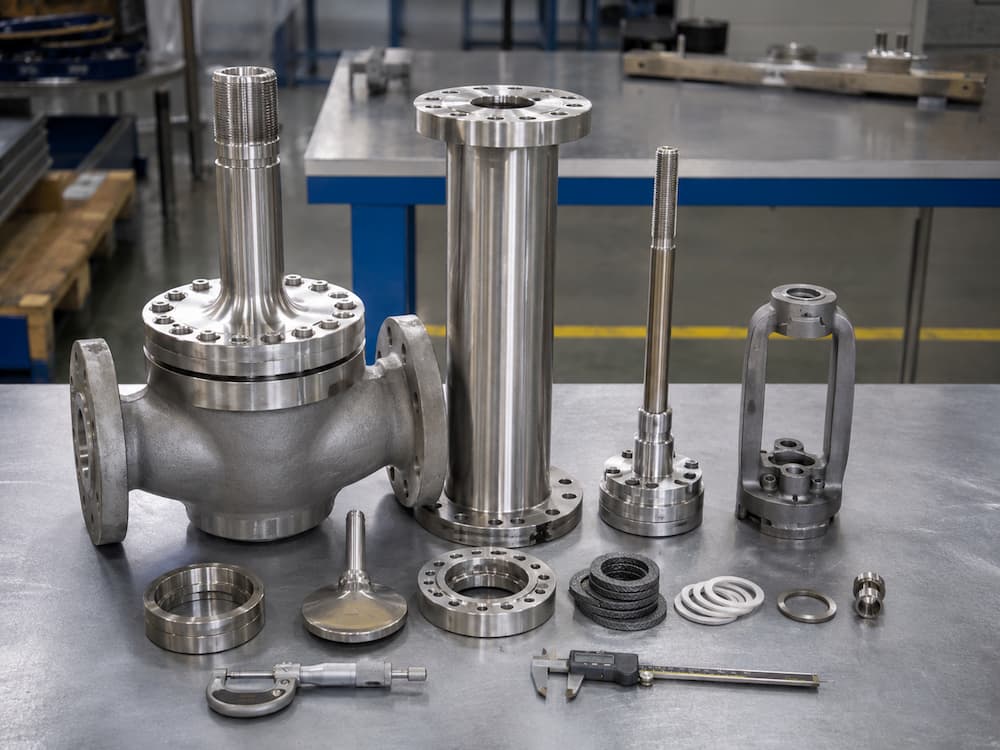
Cryogenic valve materials should be selected according to minimum design temperature, medium compatibility, pressure rating, corrosion requirement and project specification. Material suitability should not be assumed only from the valve type.
| Component | Common Options | Selection Focus |
|---|---|---|
| Body / Bonnet | LCB, LCC, CF8M, CF3M, F316, F316L or project material | Low-temperature toughness, corrosion resistance and pressure rating |
| Stem | 316 stainless steel or project-specified material | Strength, thermal contraction and packing compatibility |
| Disc | Stainless steel or hardfaced alloy | Seat contact, erosion resistance and dimensional stability |
| Seat Ring | Stainless steel, hardfaced metal or project-specific construction | Leakage requirement, temperature and service life |
| Packing | Low-temperature compatible packing according to project specification | Stem sealing and thermal cycling |
| Gasket | Selected according to bonnet design and cryogenic service | Pressure retention and temperature cycling |
For internal component selection, see our Valve Trim Materials Guide.
Typical Applications
Cryogenic globe valves are used where low-temperature service requires both reliable isolation and more controlled flow adjustment than a typical gate or ball valve.
- LNG storage and transfer systems
- Industrial gas production and distribution
- Liquid nitrogen pipelines
- Liquid argon systems
- Liquid oxygen service after dedicated oxygen-service review
- Cryogenic tank drain and vent lines
- Cold box auxiliary piping
- Gas liquefaction and vaporization systems
- Low-temperature chemical process systems
Cryogenic Globe Valve vs Cryogenic Ball and Gate Valve
| Valve Type | Main Function | Typical Selection Direction |
|---|---|---|
| Cryogenic Globe Valve | Shut-off and controlled throttling | Process lines, drains, vents and applications requiring flow adjustment |
| Cryogenic Ball Valve | Fast on-off isolation | LNG transfer, loading and process isolation |
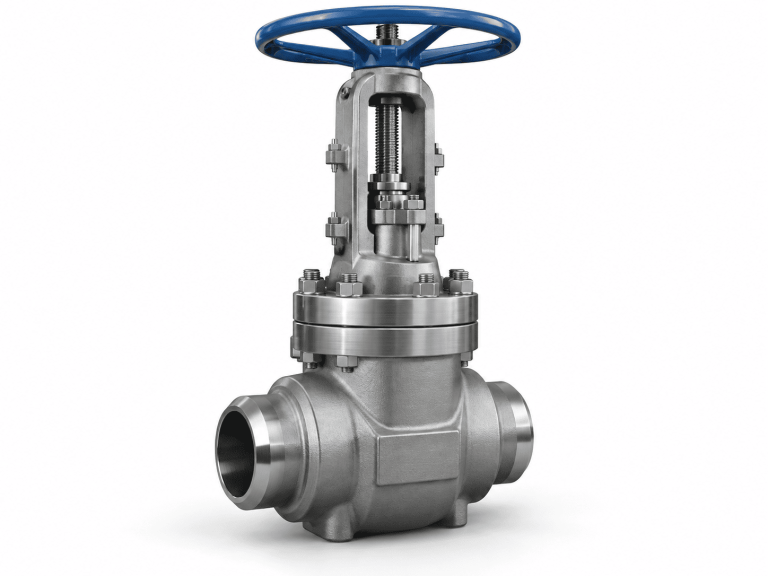
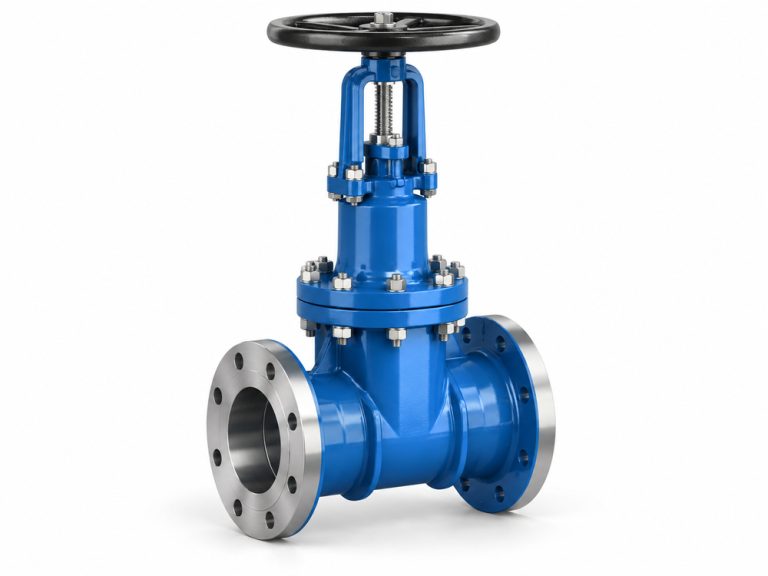
| Cryogenic Gate Valve | Full-bore isolation | Main pipeline isolation where low pressure drop is important |
For fast on-off isolation, review our Cryogenic Ball Valve. For full-bore pipeline isolation, see our Cryogenic Gate Valve.
End Connection and Operation
| Item | Available Options | Buyer Should Confirm |
|---|---|---|
| Flanged Connection | RF or RTJ | Flange standard, pressure class, gasket and face-to-face dimension |
| Butt Weld Connection | Project-specific weld ends | Pipe material, schedule, wall thickness and weld preparation |
| Manual Operation | Handwheel or gearbox | Operating force and maintenance access |
| Automated Operation | Electric or pneumatic actuator | Required thrust, control signal, fail position and ambient conditions |
For connection selection, see our Valve End Connection Types Guide.
Cryogenic Testing and Inspection
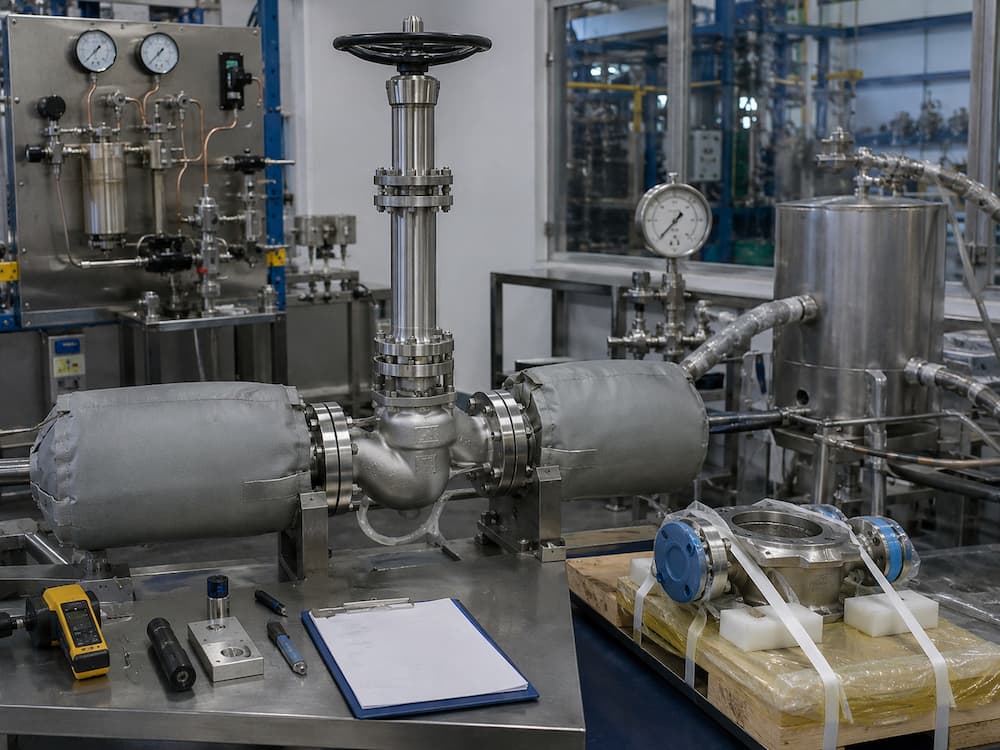
Inspection scope should be confirmed before production because cryogenic projects may require additional tests and documentation beyond standard hydrostatic pressure testing.
| Inspection / Document | Purpose |
|---|---|
| Material Test Certificate | Verifies pressure-containing and specified internal component materials. |
| PMI | Confirms alloy chemistry when required by the project. |
| Dimensional Inspection | Checks valve connection dimensions, stem travel and bonnet extension height. |
| Shell Pressure Test | Verifies pressure-containing body integrity. |
| Seat Leakage Test | Confirms shut-off performance according to the agreed test requirement. |
| Cryogenic Test | Evaluates valve sealing and operating performance at the specified low temperature when required. |
| Oxygen Cleaning Record | Required only when oxygen-service cleaning and degreasing are specified. |
Application Notes
- Minimum design temperature must be confirmed before material selection.
- LNG, liquid nitrogen, liquid oxygen and liquid argon should not automatically be treated as identical service conditions.
- Liquid oxygen service requires separate material compatibility, cleaning and contamination-control review.
- Bonnet extension height should consider pipeline insulation and installation clearance.
- Standard valve packing, gasket and materials should not be assumed suitable for cryogenic duty.
- Thermal contraction may affect stem movement, seat contact and leakage performance.
- Continuous severe throttling should be reviewed according to pressure drop, flow velocity and trim design.
Information Required for Quotation
- Valve size and quantity
- Working medium
- Minimum design temperature and operating temperature
- Design pressure, operating pressure and pressure class
- Body, bonnet, stem, disc and seat material requirements
- Bonnet extension or insulation thickness requirement
- End connection and connection standard
- Manual, electric or pneumatic operation
- Required leakage or shut-off specification
- Cryogenic testing requirement
- PMI, NDE or third-party inspection requirement
- Oxygen-service cleaning requirement if applicable
- Drawing and documentation requirements
Vcore Valve can review the project datasheet, medium, minimum temperature, pressure rating, material specification and inspection requirements before quotation.
Related Cryogenic Valve Products
- Cryogenic Ball Valve — for fast on-off isolation in LNG and low-temperature process pipelines.
- Cryogenic Gate Valve — for full-bore low-temperature pipeline isolation.
- Industrial Globe Valves — for other shut-off and flow-control globe valve configurations.
FAQ
What is a cryogenic globe valve?
A cryogenic globe valve is a globe valve designed for low-temperature and cryogenic service. It commonly uses an extended bonnet and specially selected materials, packing and trim to maintain reliable operation under low-temperature conditions.
Why does a cryogenic globe valve need an extended bonnet?
The extended bonnet moves the stem packing area farther away from the cold process fluid and provides additional clearance above pipeline insulation.
Can a cryogenic globe valve be used for LNG?
Yes, provided the valve material, minimum design temperature, sealing system, bonnet design and testing requirements are confirmed for the specific LNG service.
Can the same valve be used for liquid oxygen?
Not automatically. Liquid oxygen service requires separate material compatibility review, cleaning, degreasing and contamination control requirements.
Can a cryogenic globe valve be used for throttling?
Globe valves are suitable for selected flow adjustment applications, but severe or continuous throttling should be reviewed according to pressure drop, flow velocity, cavitation or flashing risk and trim design.
What information is required for quotation?
Please provide valve size, medium, minimum temperature, pressure class, body and trim material, end connection, operation method, cryogenic test requirement, cleaning requirement and quantity.