Quick Overview
In pipeline systems, both tapping valves and gate valves play crucial roles in flow control and system efficiency. However, each valve type serves a different purpose and is suited for specific applications. This article compares the two valve types, outlining their unique features, functions, and where to use each for optimal system performance.
Opening Scenario
Imagine managing a large industrial pipeline system that requires precise control over fluid flow. You might face a decision: Should you use a gate valve to isolate sections of the pipeline, or is a tapping valve more suitable for safely tapping into a live pipeline to add new branches or sampling points? Understanding the core differences between tapping valves and gate valves is essential to ensure system efficiency and safety.
Pain Points
Choosing the right valve for your system can be complex, especially when different valves have specific functions. Here are some common pain points faced when deciding between tapping valves and gate valves:
1. Difficulty in Valve Selection for Specific Applications
Both tapping valves and gate valves are used for controlling flow, but they serve distinct functions. Not understanding when and where each type of valve is appropriate can lead to operational inefficiencies or safety concerns.
2. Space and Installation Constraints
In some industrial settings, space for valve installation may be limited. Understanding the design differences between tapping valves and gate valves can help you determine which one is more space-efficient for your system.
3. Maintenance Challenges
Both valve types require regular maintenance to ensure long-term performance. However, gate valves may have more complicated maintenance needs due to their design, while tapping valves might require specialized tools for installation and servicing.
Solutions
Understanding the unique benefits and functions of both tapping valves and gate valves will help ensure that you make the right choice for your system. Here’s how each valve can address the pain points discussed:
1. Tapping Valves: Safe and Efficient Pipeline Tapping
Tapping valves are designed to allow for safe tapping into live pipelines. These valves can be used to install new branches or sampling points without interrupting the flow of the existing system. Tapping valves are equipped with mechanisms that ensure a tight seal, preventing leaks and maintaining system integrity while performing the tap.
At Vcore Valve, we offer durable tapping valves that are perfect for applications in water, gas, and oil pipelines. Our valves are engineered to perform in high-pressure environments, providing safe and reliable tapping solutions.
2. Gate Valves: Ideal for Flow Isolation and Shutoff
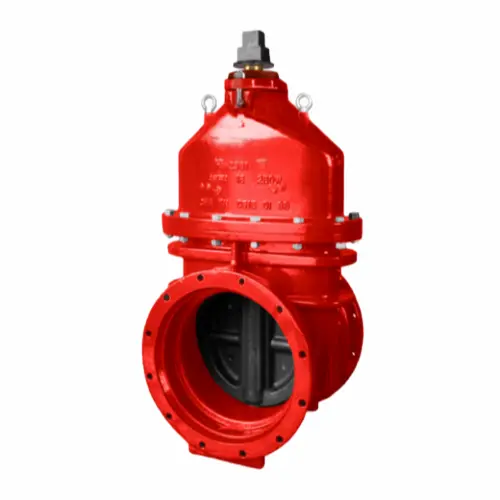
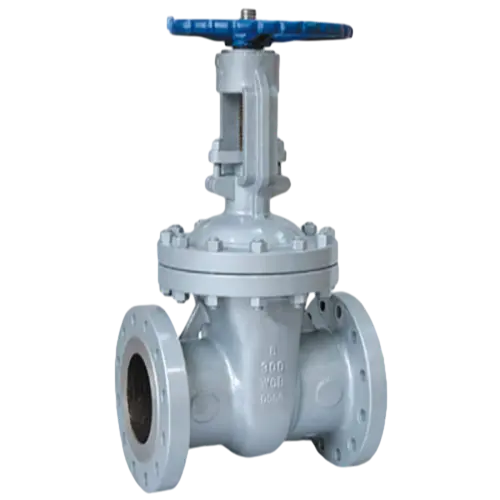
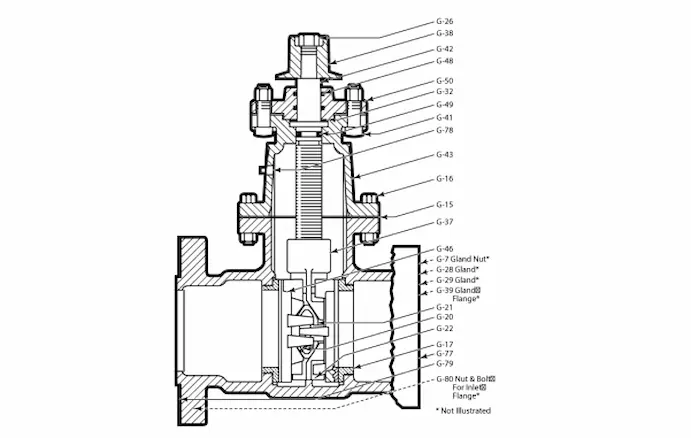
Gate valves are commonly used for flow isolation and shutoff in piping systems. They are designed to completely open or close the flow of fluids, providing a clear path or complete seal. The gate valve design ensures minimal flow resistance when the valve is fully open, making it ideal for applications where you need to control fluid flow over long distances.
For Vcore Valve, our gate valves are built to handle high-pressure systems, ensuring reliable and long-lasting performance in critical applications like water distribution, oil and gas pipelines, and chemical processing.
3. Choosing the Right Valve Based on Application Needs
- For tapping into live pipelines, tapping valves are the best choice due to their ability to perform taps safely without shutting down the system.
- For flow control and shutoff, gate valves are optimal, as they offer full flow when open and an effective seal when closed.
At Vcore Valve, we offer both tapping valves and gate valves, ensuring that your system’s needs are met with the right valve for the job.
Case Study
A water utility company was struggling to tap into their existing pipeline without shutting down the entire system for maintenance. After installing tapping valves, they were able to safely and efficiently add new branches to their network without disrupting service. The tapping valves provided a secure seal, preventing water loss and ensuring continuous flow.
Data Analysis
| Valve Type | Functionality | Pressure Range | Sealing Performance | Flow Control Efficiency | Maintenance Requirements | Best Use Case |
|---|---|---|---|---|---|---|
| Tapping Valve | Allows tapping into live pipelines | Low to medium pressure (< 40 bar) | High (prevents leakage during tap) | Moderate (limited by flow size) | Moderate (requires periodic inspections) | Pipeline branching, live system tapping, fluid sampling |
| Gate Valve | Flow isolation and shutoff | High pressure (up to 100 bar or more) | Moderate (effective when fully open or closed) | High (minimal flow resistance when open) | High (may require more maintenance due to complexity) | Water treatment, chemical processing, oil and gas pipelines |
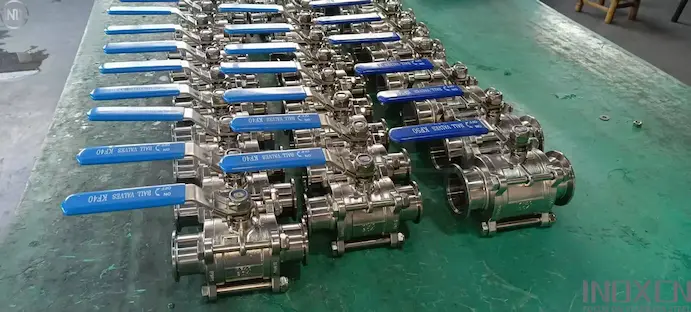
| Ball Valve | On/off control of fluid flow | High pressure (up to 80 bar) | Moderate (simple sealing) | High (used for precise flow control) | Low (simple design, requires less maintenance) | High-flow applications, control in oil and gas systems |
This table summarizes the key differences in functionality, benefits, and ideal use cases for tapping valves and gate valves, helping you make an informed decision based on your system’s requirements.
Trends
1. Integration of Smart Valves for Automation
As industries move toward automation, there is an increasing trend toward integrating smart valves with sensors and actuators that allow for remote monitoring and control. This trend is especially useful for tapping valves used in live pipeline systems, where real-time monitoring ensures safe and efficient tapping.
2. Increased Demand for Durable, High-Performance Valves
With more demanding industrial environments, the need for durable and high-performance valves is growing. Gate valves and tapping valves are both seeing improvements in materials and designs to handle higher pressures, harsher chemicals, and more challenging operating conditions.
3. Sustainability and Eco-friendly Valve Solutions
Industries are increasingly focusing on sustainability, and valve manufacturers are responding by developing eco-friendly materials and designs that reduce energy consumption, improve efficiency, and minimize environmental impact. Vcore Valve continues to innovate with tapping valves and gate valves that support sustainability goals.
Usage Advice
When selecting a valve for your system, consider the following:
1. Assess System Requirements
If you need to tap into a live pipeline without interrupting flow, tapping valves are the best solution. For flow isolation and shutoff needs, gate valves offer the ideal solution for controlling fluid movement in large systems.
2. Evaluate Maintenance Needs
Both tapping valves and gate valves require regular maintenance, but gate valves may need more attention due to their complex design. Tapping valves are often easier to maintain, especially in live systems.
3. Consult with Valve Experts
For specialized valve selection, consider consulting with Vcore Valve. Our team can guide you in choosing the right valve for your system, ensuring that it meets your operational needs while providing long-term reliability.
Conclusion
Choosing between tapping valves and gate valves depends entirely on the requirements of your system. Tapping valves are ideal for applications requiring safe and efficient tapping into live pipelines, while gate valves excel at providing flow isolation and shutoff in larger systems.
At Vcore Valve, we offer both tapping valves and gate valves, designed for performance, durability, and efficiency. No matter your application, we have the right valve to meet your needs and ensure optimal system operation.
FAQs
1. What is the primary difference between a tapping valve and a gate valve?
Tapping valves are designed to tap into live pipelines without interrupting the flow, while gate valves are used for flow isolation and shutoff.
2. When should I use a tapping valve?
Tapping valves are ideal for adding new branches to an existing pipeline or for sampling purposes in live systems.
3. Can gate valves be used for isolation in high-pressure systems?
Yes, gate valves are commonly used for flow isolation in high-pressure environments due to their robust construction.
4. How do I maintain a tapping valve?
Tapping valves require regular inspection and cleaning to ensure that the sealing mechanism remains intact and that the valve functions properly during tapping operations.
5. Are there any industries where tapping valves are not suitable?
Tapping valves are generally used in water, gas, and oil pipelines. They may not be suitable for extreme high-pressure or high-temperature environments where specialized valves are required.
Reference
- Valve Selection for Pipeline Systems – Valve World Magazine
- Gate Valve Technologies for High-Pressure Systems – Industrial Valve Solutions Journal
- Tapping Valve Applications in Utility Networks – Pipeline Engineering Journal