Quick Overview
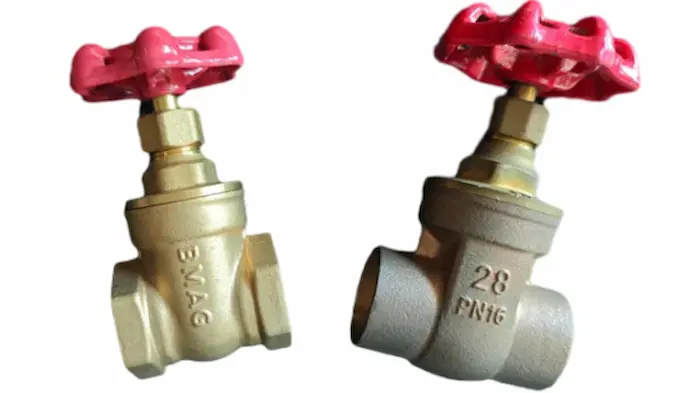
When choosing valves for your system, it’s crucial to understand the material differences. Brass valves vs bronze valves is popular topic, but each has unique properties that make them suitable for different applications. This article compares the two materials, highlighting their strengths, weaknesses, and the best use cases for each.
Opening Scenario
Imagine you’re designing a fluid system that needs to withstand harsh conditions. You need a valve that offers both durability and performance. Should you opt for brass valves or bronze valves? Both materials are corrosion-resistant and highly durable, but the choice depends on the specific needs of your application.
In this article, we’ll dive deep into the properties of brass valves and bronze valves, and help you make an informed decision.
Pain Points
Here are some of the common challenges when selecting between brass valves and bronze valves:
1. Material Durability
Both brass and bronze are corrosion-resistant, but how do you determine which material offers better longevity for your application? The wrong choice could lead to premature valve failure, increased maintenance costs, and system inefficiencies.
2. Cost Considerations
Brass valves are typically more affordable than bronze valves, but is the price difference worth the trade-off in performance? Many users are faced with balancing upfront costs with long-term durability and reliability.
3. Application-Specific Needs
When deciding between brass valves and bronze valves, it’s important to understand their specific strengths in various industrial settings. Choosing the wrong material could lead to inefficiencies or even valve failure under high stress or corrosive conditions.
Solutions
Here’s how understanding the differences between brass valves and bronze valves can help you make the right choice for your system:
1. Material Durability and Strength
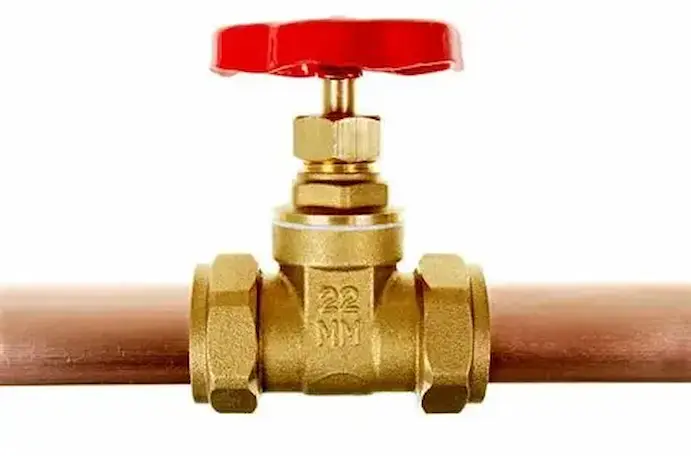
- Brass valves are typically made from an alloy of copper and zinc, which makes them resistant to corrosion and erosion, especially in low-pressure environments. However, they may not perform as well in high-pressure or high-temperature applications.
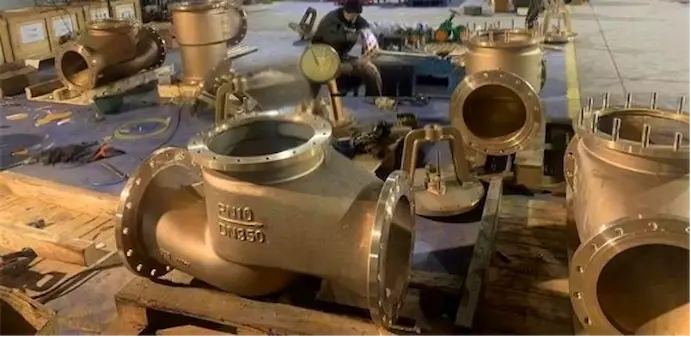
- Bronze valves, made from an alloy of copper, tin, and sometimes other elements like phosphorus, are known for their superior corrosion resistance, especially in seawater and other harsh environments. Bronze is often preferred in marine applications or systems exposed to extreme conditions.
At Vcore Valve, we offer both brass valves and bronze valves, ensuring that you can select the right valve material for your specific needs.
2. Cost-Effectiveness vs. Performance
- Brass valves are a more cost-effective choice for applications where the fluid is non-corrosive, and the system operates under moderate pressure. These valves are commonly used in water systems, air systems, and HVAC applications.
- Bronze valves, while more expensive, offer superior performance in harsher conditions. If your system involves highly corrosive fluids, higher pressure, or extreme temperatures, investing in bronze valves will pay off in the long run by extending valve lifespan and reducing the frequency of replacements.
3. Selecting the Right Valve for Your Application
- For low-pressure systems or non-corrosive applications, brass valves are a great choice, offering solid performance at a lower price.
- For high-pressure systems, seawater systems, or any environment with exposure to corrosive chemicals or extreme temperatures, bronze valves are the superior option due to their durability and resistance to wear.
At Vcore Valve, we provide expert guidance on choosing the right material for your system, ensuring that you get the best valve for your application.
Case Study
A chemical processing plant was experiencing frequent valve failures due to the highly corrosive nature of the fluids they were handling. They initially used brass valves, which failed under the harsh conditions. After switching to bronze valves, the plant saw a marked improvement in system reliability. The bronze valves were able to withstand the corrosive fluids and high pressures, reducing downtime and maintenance costs.
Data Analysis-Brass Valves vs Bronze Valves
| Valve Type | Material Composition | Corrosion Resistance | Pressure Range | Common Applications |
|---|---|---|---|---|
| Brass Valve | Copper + Zinc | Moderate corrosion resistance | Low to Medium Pressure (up to 50 bar) | Water systems, HVAC, air systems, low-pressure applications |
| Bronze Valve | Copper + Tin + Phosphorus | High corrosion resistance, especially in seawater | Medium to High Pressure (up to 100 bar) | Marine systems, chemical processing, high-pressure applications |
| Gate Valve | Cast iron + Stainless steel | Moderate corrosion resistance | High Pressure (up to 150 bar) | Water treatment, oil and gas, heavy-duty industrial applications |
| Ball Valve | Stainless steel + PVC | High corrosion resistance | High Pressure (up to 100 bar) | Gas pipelines, high-flow systems |
This table compares the material composition, corrosion resistance, pressure range, and applications of brass valves, bronze valves, and other common valve types, helping you choose the right valve for your system.
Trends
1. Growing Demand for Corrosion-Resistant Materials
As industries seek more reliable and long-lasting solutions, there is an increasing demand for bronze valves, particularly in sectors that require high-performance valves in challenging environments, such as marine systems and chemical processing.
2. Sustainability and Material Innovation
The shift towards sustainable materials is influencing valve manufacturing, with a growing emphasis on eco-friendly alloys and corrosion-resistant technologies. Manufacturers are increasingly focusing on materials that offer both durability and environmental benefits.
3. Customization of Valve Materials
Customizable valve solutions, including tailored brass and bronze alloys, are becoming more common. Companies are looking for valves that not only meet performance standards but are also compatible with the specific demands of their applications.
Usage Advice
When selecting between brass valves and bronze valves, consider the following factors:
1. System Pressure and Corrosive Environment
If your system deals with high pressure or corrosive chemicals, bronze valves are the better choice. They can handle the harsh conditions and offer greater durability over time.
2. Cost and Maintenance Requirements
Brass valves are more cost-effective for systems operating at lower pressures or with non-corrosive fluids. They are also easier to maintain and replace, making them ideal for budget-conscious projects.
3. Long-Term Performance and Reliability
If you’re looking for long-term performance and reduced maintenance costs, investing in bronze valves may be worth the initial extra cost, especially in industries where corrosion resistance and high-pressure tolerance are critical.
Conclusion
Choosing between brass valves and bronze valves depends on the specific needs of your system. Brass valves offer a cost-effective solution for non-corrosive, low-pressure applications, while bronze valves provide superior performance in more demanding conditions, such as high-pressure systems or corrosive environments.
At Vcore Valve, we offer both brass valves and bronze valves, ensuring that you can select the right material for your specific application. Whether you’re working in water treatment, chemical processing, or HVAC systems, we have the perfect valve solution for you.
FAQs
1. What’s the main difference between brass valves and bronze valves?
Brass valves are made from an alloy of copper and zinc, offering moderate corrosion resistance, while bronze valves are made from copper and tin, providing superior corrosion resistance, especially in harsh environments like seawater.
2. Which valve is better for high-pressure systems, brass or bronze?
Bronze valves are better suited for high-pressure applications due to their superior strength and corrosion resistance under extreme conditions.
3. Are brass valves cheaper than bronze valves?
Yes, brass valves are typically more affordable than bronze valves, making them a cost-effective option for low-pressure and non-corrosive fluid applications.
4. Can brass valves be used in seawater systems?
Brass valves are not ideal for seawater systems due to their lower corrosion resistance compared to bronze valves, which are specifically designed for marine environments.
5. How often should I maintain my brass valves and bronze valves?
Regular maintenance is necessary for both valve types, especially in systems with high flow or corrosive fluids. Bronze valves generally require less frequent maintenance due to their enhanced durability, while brass valves may need more attention in harsher environments.
Reference
- Valve Materials and Their Applications – Valve Technology Report
- Corrosion Resistance in Industrial Valves – Industrial Valve Solutions
- Choosing the Right Valve for Harsh Environments – Fluid Control Journal