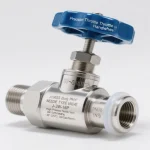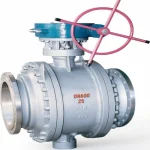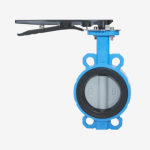

International valve standards help buyers compare quotations on a controlled technical basis, but they do not remove the need for engineering review. A standard name on a quotation is useful only when the buyer also confirms the valve type, size, pressure class, end connection, material, trim, seat, testing method, documentation, and inspection scope.
For procurement teams using international valve standards, the main risk is not missing a long list of standards. The bigger risk is using the wrong standard for the wrong purpose. API 600 is not a universal valve manufacturing standard. ISO 9001 is not a valve product certificate. PED is not a design code equivalent to API 6D or ASME B16.34. A good RFQ separates these documents by function so each requirement can be checked before purchase approval.
International Standards In Valve Manufacturing Must Be Separated By Function
A valve order may reference several documents because different parts of the valve package need different controls. A design or product standard may define construction requirements for a particular valve type. A testing standard may define shell and seat test methods. A dimensional standard may define face-to-face dimensions. A material requirement may address sour-service cracking risk. A regulatory framework may define conformity assessment for a specific market.
This separation matters because compliance with one document does not automatically prove compliance with another. For example, an ISO 9001 certified quality-management system does not prove that a specific gate valve meets API 600. A valve tested to API 598 still needs an applicable product or design basis. A valve supplied for the European market may need PED conformity review, but PED alone does not tell the buyer which product standard or material standard should be used.
International Standards In Valve Manufacturing: Buyer Comparison
| Standard or Framework | Main Function | Typical Use | Buyer Verification Point |
|---|---|---|---|
| API 600 | Product standard | Applicable steel gate valves | Confirm valve type, ends, pressure class, material, trim, testing, and documentation. |
| API 6D | Pipeline valve specification | Pipeline and piping valves within its scope | Define valve type, class, PSL or supplementary requirements where applicable. |
| ASME B16.34 | Pressure-boundary valve standard | Flanged, threaded, welding-end, wafer, and flangeless valves within scope | Check pressure-temperature rating, material group, marking, and test basis. |
| API 598 / ISO 5208 | Inspection and pressure testing | Shell, seat, and closure test requirements according to the selected standard | State test medium, duration, leakage acceptance, and witness points. |
| API 607 / ISO 10497 | Fire type testing | Valves requiring fire-tested design within applicable scope | Do not assume every industrial valve requires fire-safe testing. |
| ASME B16.10 / ISO 5752 | Dimensional standards | Face-to-face, end-to-end, or centre-to-face dimensions | Confirm interchangeability with the piping layout and end connection standard. |
| ANSI/NACE MR0175 / ISO 15156 | Sour-service material selection | H2S-containing oil and gas production environments within scope | Verify service limits, hardness, heat treatment, material condition, and project responsibility. |
| PED 2014/68/EU | EU pressure equipment regulatory framework | Pressure equipment placed on the EU market where applicable | Confirm category, conformity assessment route, documentation, and applicable product standard. |
| ISO 9001 | Quality-management system | Supplier management-system review | Do not treat it as proof that a specific valve meets API, ASME, or ISO product requirements. |
Valve Design And Product Standards
API 600 is used for applicable steel gate valves with flanged and butt-welding ends and bolted bonnets. Buyers should not write only “API valve” when they mean API 600. The RFQ should identify the valve type, pressure class, end connection, body and trim material, bonnet design, testing requirement, and documentation package.
API 6D applies to pipeline and piping valves within its scope, commonly including ball, gate, plug, and check valves for petroleum and natural gas pipeline applications. API 6D projects may include additional purchaser requirements, but buyers should not assume that every optional fire test, emission test, or supplementary test is automatically included unless it is specified and accepted in the order.
ASME B16.34 is central to many industrial valve specifications because it covers pressure-temperature ratings, materials, dimensions and tolerances, nondestructive examination requirements, testing, and marking for valves within its scope. Buyers should review the Class rating at the actual design temperature, not only at ambient conditions. For a deeper buying explanation, see our valve pressure-temperature rating guide.
API 602 applies to compact steel gate, globe, and check valves within its scope. It should not be used as a general replacement for large cast steel gate valve standards or pipeline valve specifications. The key buyer check is whether the valve size, construction, pressure class, and end connection match the standard being requested.
Pressure Testing In International Standards For Valves: API 598 And ISO 5208
Pressure testing is one of the most common areas where specifications become unclear. API 598 is widely used for valve inspection and pressure testing in many industrial valve orders. ISO 5208 also addresses pressure testing of metallic valves, including leakage rate evaluation. The two documents should not be described as identical because their classifications, acceptance language, and application context can differ.
A buyer should state the applicable test standard, shell test, seat test, closure test, test medium, test duration, leakage acceptance level, witness requirement, and reporting format. For practical test planning, see the valve pressure test methods guide.
Dimensional Standards: ASME B16.10 And ISO 5752
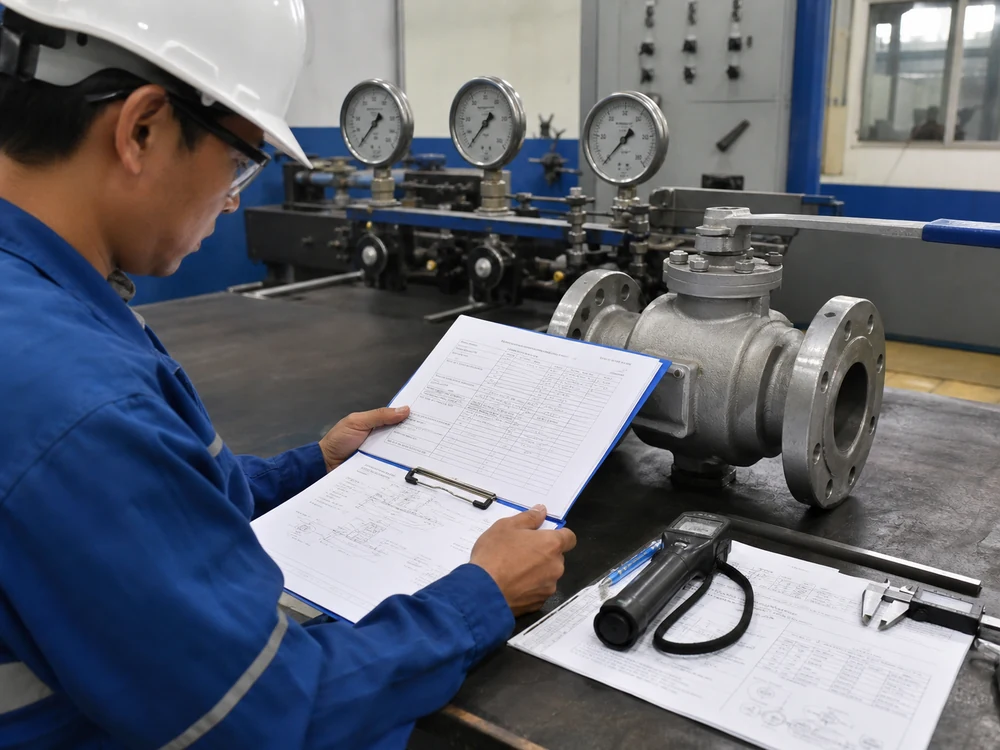
Dimensional standards help prevent installation problems. ASME B16.10 covers face-to-face and end-to-end dimensions of valves and is intended to support installation interchangeability for valves of a given material, type, size, rating class, and end connection. ISO 5752 specifies face-to-face and centre-to-face dimensions for metal valves used in flanged pipe systems within its scope.
Buyers should confirm whether the piping specification uses an ASME or EN flange series, whether the valve is flanged, wafer, lug, butt-weld, or threaded, and whether the drawing dimensions match the installation envelope. A dimensional standard cannot compensate for a wrong end connection or an incompatible pressure class.
Fire Testing Standards: API 607 And ISO 10497
API 607 and ISO 10497 are associated with fire testing of valves within their applicable scopes. They are important for services where fire-tested valve design is required by the project specification, plant standard, or risk assessment. They should not be written into every industrial valve order by default.
If fire testing is required, the RFQ should define the valve type, design, seat material, size and pressure class coverage, accepted test standard, required certificate or report, and whether the supplied valve configuration is covered by the tested design. A “fire-safe” phrase without supporting scope can create procurement risk.
Sour Service: ANSI/NACE MR0175 / ISO 15156
ANSI/NACE MR0175 / ISO 15156 addresses material selection for equipment used in H2S-containing oil and gas production environments within its scope. It is not a universal “NACE valve certificate.” The requirement depends on the service environment, material, hardness, heat treatment, manufacturing route, and project responsibility for defining sour-service conditions.
Buyers should avoid approving a valve only by grade name. For sour service, the RFQ should define the medium, H2S condition, pressure, temperature, applicable material requirements, hardness limits where relevant, and the required material documents. Material selection should also be reviewed with body, trim, seat, gasket, and bolting requirements. For related material review, see the valve material selection guide.

Quality Management And Regulatory Requirements
ISO 9001 is a quality-management system standard. It can support supplier evaluation, document control, corrective action, and process consistency, but it is not a valve design standard and does not certify that a specific valve meets API 600, API 6D, ASME B16.34, API 598, or ISO 5208.
PED 2014/68/EU is the European Union regulatory framework for pressure equipment. For valves placed on the EU market where PED applies, buyers should confirm the pressure equipment category, conformity assessment route, declaration requirements, technical documentation, and the product or design standard used for the valve itself. PED should not be treated as a simple substitute for a valve manufacturing specification.
Which Standards Should Be Included In A Valve RFQ?
A strong RFQ turns international valve standards into specific purchasing requirements. Instead of writing “API, ASME, ISO required,” the buyer should identify the design or product standard, pressure class, end connection standard, testing standard, dimensional standard, material requirements, inspection requirements, and documentation requirements.
| RFQ Item | What To Specify | Why It Matters |
|---|---|---|
| Valve type | Gate, globe, ball, butterfly, check, plug, or other type | Determines which product standards may apply. |
| Design basis | API 600, API 6D, ASME B16.34, API 602, or project standard as applicable | Prevents quotations based on different constructions. |
| Pressure rating | Class or PN rating at the actual design temperature | Avoids choosing by nominal class alone. |
| Testing | API 598, ISO 5208, or project test requirement | Defines shell and seat test acceptance. |
| Dimensions | ASME B16.10, ISO 5752, or drawing-controlled dimensions | Protects installation interchangeability. |
| Documents | MTC, test report, dimensional report, ITP, certificates, manuals | Controls final acceptance and handover. |
Standards, Inspection, And Documentation
Standards become useful only when they are connected to inspection and records. A valve inspection and test plan should show incoming material checks, in-process inspection, pressure testing, witness or hold points, final visual inspection, marking review, packing review, and document release. See our valve inspection and test plan guide for how hold, witness, review, and surveillance points are normally organized.
For documentation, buyers should define MTC or MTR requirements, PMI where required, NDE or NDT where required by the standard or project, pressure test reports, dimensional reports, coating records, declaration or certificate requirements, and final packing documents. The valve certificates and quality documents guide explains how buyers should review common release documents before approving shipment.
Common International Standards Specification Mistakes In Valve RFQs
- Writing only “API valve” without naming the exact product or test standard.
- Specifying API 598 without defining the applicable valve design or product standard.
- Treating ISO 9001 as proof of product compliance.
- Mixing API and ISO requirements without checking dimensional, testing, or documentation conflicts.
- Specifying NACE without defining the H2S-containing service condition and material limits.
- Assuming PED automatically defines the valve design standard.
- Ignoring pressure-temperature rating at the actual design temperature.
- Forgetting face-to-face dimensions, MTCs, PMI, NDE, ITP, and final test reports.
Practical Buyer Decision Summary
For international valve procurement, the value of international valve standards is clearer when buyers start with the application and valve type, then assign standards by function. Use a product or design standard for construction, a pressure test standard for acceptance testing, a dimensional standard for installation, material requirements for corrosion or sour service, a quality-management standard for supplier system review, and regulatory conformity requirements for the destination market.
Vcore Valve can review international standards in a valve project specification according to the agreed valve type, size, pressure class, medium, temperature, material, design standard, testing requirement, inspection scope, and documentation package. To discuss a project specification or RFQ, contact Vcore Valve with the datasheet, service conditions, applicable standards, and required documents.
FAQ
What are the main international valve standards for industrial valves?
Common references include API product standards such as API 600, API 6D, and API 602, ASME standards such as B16.34 and B16.10, ISO testing or dimensional standards such as ISO 5208 and ISO 5752, fire test standards such as API 607 and ISO 10497, and material requirements such as ANSI/NACE MR0175 / ISO 15156 for sour service.
What is the difference between API 600 and API 6D?
API 600 is used for applicable steel gate valves, while API 6D is a pipeline valve specification for valve types within its scope. They are not interchangeable. The correct standard depends on valve type, service, pressure class, end connection, project specification, and buyer requirements.
What is the difference between API 598 and ISO 5208?
Both are used for valve pressure testing and leakage evaluation, but they should not be treated as identical. Buyers should specify the selected test standard, test medium, duration, pressure, leakage acceptance, witness requirement, and report format.
Is ISO 9001 a valve product certification?
No. ISO 9001 is a quality-management system standard. It can support supplier evaluation and process control, but it does not prove that a specific valve complies with API 600, API 6D, ASME B16.34, API 598, or another product or testing standard.
What valve standard should be specified for sour service?
For H2S-containing oil and gas production environments within scope, buyers often reference ANSI/NACE MR0175 / ISO 15156 for material selection. The RFQ should define the actual service environment and material limits instead of simply asking for a “NACE valve.”
Does every valve need API 607 or ISO 10497 fire-safe testing?
No. Fire testing is required when the project specification, risk assessment, plant standard, or service condition requires a fire-tested valve design. Buyers should confirm whether the supplied valve configuration is covered by the required fire test scope.
Which international standards should be included in a valve RFQ?
A valve RFQ should list the applicable design or product standard, pressure rating basis, end connection and dimensional standard, material requirements, pressure testing standard, inspection requirements, documentation package, and any regulatory conformity requirements for the destination market.
Technical References
- American Petroleum Institute standards program
- API Specification 6D standards announcement
- ASME B16.34 valve standard information
- ASME B16.10 valve dimensions information
- ISO 9001 quality management systems
- ISO 5208 valve pressure testing
- ISO 10497 fire type-testing of valves
- ISO 5752 face-to-face dimensions
- AMPP ANSI/NACE MR0175 / ISO 15156 information
- European Commission Pressure Equipment Directive information