Product Overview
| Product Name | EPDM Lined Butterfly Valve for Water Treatment |
|---|---|
| Valve Type | Concentric rubber lined butterfly valve |
| Lining / Seat Material | EPDM rubber liner / EPDM resilient seat |
| Body Material | Ductile iron, cast iron, carbon steel or stainless steel |
| Disc Material | Ductile iron coated disc, stainless steel disc, nylon-coated disc or rubber-lined disc |
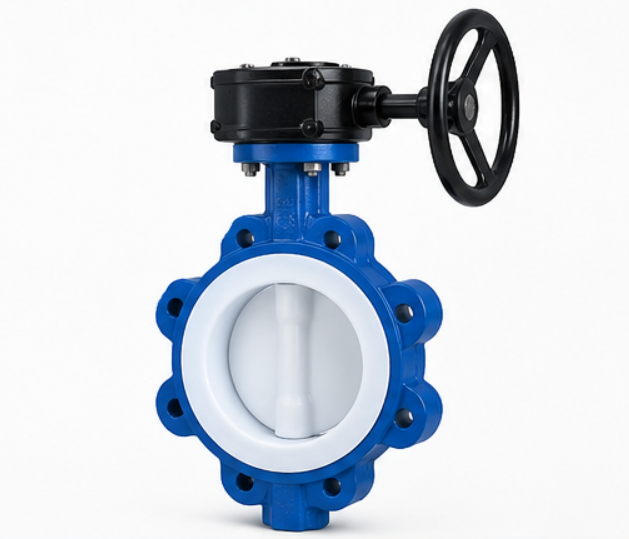
| Connection Type | Wafer, lug, U-section or double flanged type |
| Common Pressure Rating | PN10, PN16, Class 125, Class 150 or project-specific rating |
| Operation | Lever, worm gearbox, pneumatic actuator or electric actuator |
| Suitable Media | Clean water, wastewater, cooling water, utility water, seawater and mild water treatment chemicals |
 EPDM Lining and Sealing Structure
 EPDM Lining and Sealing Structure
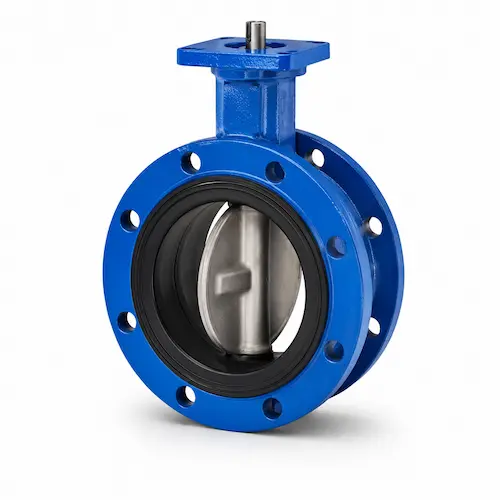
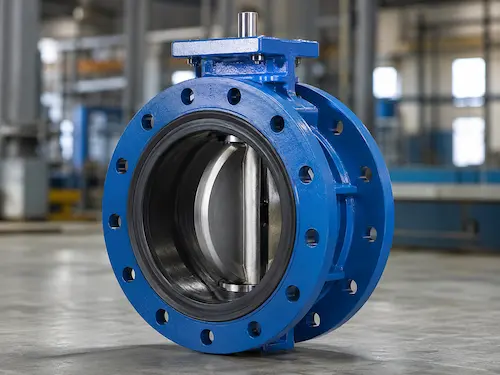
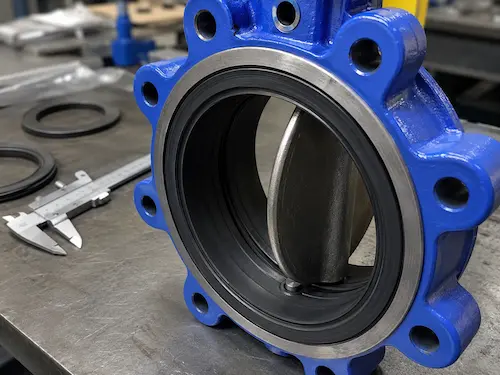
The EPDM liner is one of the most important parts of this butterfly valve. It works as both the sealing element and the internal protective layer. When the valve disc closes, the disc edge compresses against the EPDM liner to form a resilient seal.
For water treatment applications, EPDM is commonly selected because it has good compatibility with many water-based media, including clean water, wastewater, cooling water and outdoor pipeline environments. It also provides good resistance to ozone and weathering, which is useful for above-ground water treatment installations.
EPDM should not be selected blindly for every medium. It is generally not recommended for oil, fuel, mineral oil, strong solvents or highly aggressive chemical media. If the pipeline contains chemical additives, the actual concentration, temperature and operating condition should be confirmed before material selection.
Main Structural Features
 Main Structural Features
Concentric Butterfly Valve Design
This product usually uses a concentric butterfly valve structure. The stem centerline, disc centerline and pipe centerline are aligned. This design is widely used in water treatment pipelines because it is simple, compact and suitable for soft-sealing service.
Resilient Seat Sealing
The EPDM liner provides elastic sealing contact around the valve disc. This structure is suitable for shut-off and general flow control in water-based systems. For applications requiring frequent throttling, actuator selection and opening position control should be reviewed according to the system design.
Compact Face-to-Face Dimension
Compared with gate valves and globe valves, butterfly valves have a shorter face-to-face dimension. This makes them suitable for pump rooms, filtration skids, compact pipeline layouts and systems where installation space is limited.
Multiple Connection Types
The valve can be supplied as wafer type, lug type, U-section type or double flanged type. Wafer type is compact and economical. Lug type allows easier pipeline-side maintenance in some installations. Double flanged type is often used for larger sizes or more rigid pipeline arrangements.
Material Options
Material selection should be based on medium, pressure, temperature, corrosion risk, installation environment and project standard. For normal water treatment systems, ductile iron body with epoxy coating and EPDM liner is a common configuration. For seawater or chloride-rich water, disc and shaft material should be reviewed more carefully.
| Component | Common Options | Selection Note |
|---|---|---|
| Body | Ductile iron, cast iron, carbon steel, stainless steel | Ductile iron with epoxy coating is commonly used for water treatment service. |
| Liner / Seat | EPDM, NBR, PTFE, FKM | EPDM is suitable for many water-based media; other materials should be selected for oil, solvent or aggressive chemical service. |
| Disc | Coated ductile iron, stainless steel 304, stainless steel 316, nylon-coated disc, rubber-lined disc | Stainless steel or coated disc is recommended when corrosion resistance is important. |
| Shaft | Stainless steel 410, 420, 304, 316 or duplex stainless steel | Shaft material should match the corrosion condition and operating environment. |
| Coating | Epoxy coating, fusion bonded epoxy, anti-corrosion coating | Coating helps protect the valve body in humid or outdoor water treatment environments. |
Technical Specifications
| Specification Item | Available / Typical Options |
|---|---|
| Product Type | EPDM lined concentric butterfly valve |
| Nominal Size | DN50–DN1200 / 2″–48″, larger sizes available on request |
| Pressure Rating | PN10, PN16, Class 125, Class 150 or project-specific pressure rating |
| Connection Type | Wafer, lug, U-section or double flanged |
| Body Material | Ductile iron, cast iron, carbon steel or stainless steel |
| Liner / Seat Material | EPDM; NBR, PTFE, FKM or other materials available according to media condition |
| Disc Material | Ductile iron coated disc, stainless steel 304, stainless steel 316, nylon-coated disc or rubber-lined disc |
| Shaft Material | Stainless steel 410, 420, 304, 316 or duplex stainless steel |
| Operation Type | Lever, worm gearbox, pneumatic actuator or electric actuator |
| Flange Standard | EN 1092, ANSI, JIS, DIN, BS, AS or project-specific drilling |
| Face-to-Face Reference | ISO 5752, EN 558, API 609 or project requirement |
| Design Reference | API 609, EN 593, MSS SP-67 or project-specific requirement |
| Testing Reference | API 598, EN 12266 or customer inspection requirement |
| Suitable Media | Clean water, wastewater, cooling water, utility water, seawater and mild water treatment chemicals |
| Not Recommended For | Oil, fuel, mineral oil, strong solvents, concentrated acids or highly aggressive chemicals unless material compatibility is reviewed |
| Documentation | Pressure test report, material certificate, certificate of conformity, inspection photos and packing photos |
 Applicable Water Treatment Systems
 Applicable Water Treatment Systems
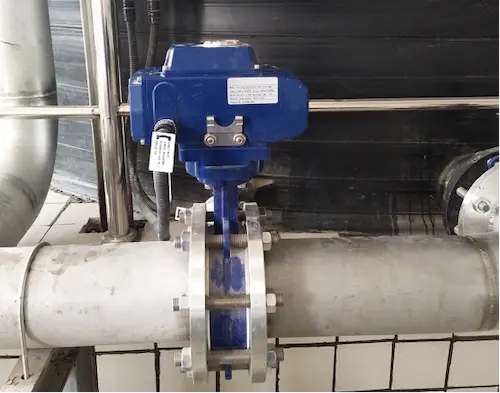
The EPDM lined butterfly valve is mainly used in water-based pipeline systems where compact installation, soft sealing and corrosion protection are required.
- Municipal water treatment plants
- Wastewater treatment plants
- Industrial circulating water systems
- Cooling water pipelines
- Utility water pipelines
- Filtration and backwash systems
- Pump station inlet and outlet lines
- Seawater or brackish water pipelines, depending on disc and shaft material
- Skid-mounted water treatment equipment
- General drainage and water supply systems
Media Compatibility and Limitations
EPDM is suitable for many water-based systems, but the final valve selection should be based on actual operating conditions. Water treatment pipelines may contain chlorine, salt, suspended solids, sludge, dosing chemicals or cleaning agents. These factors can affect liner life, disc material selection and sealing performance.
| Media Condition | Recommended Configuration | Selection Note |
|---|---|---|
| Clean water / treated water | EPDM liner with coated ductile iron or stainless steel disc | Confirm potable water approval if used in drinking water systems. |
| Wastewater / sewage water | EPDM liner with coated or stainless steel disc | Check solids content, sludge condition and pipeline position. |
| Cooling water | EPDM liner with epoxy-coated body | Confirm working temperature and water treatment chemicals. |
| Seawater / brackish water | EPDM liner with stainless steel, duplex or coated disc | Disc and shaft material are important for chloride resistance. |
| Oil, fuel or mineral oil | Standard EPDM is not recommended | NBR or another suitable elastomer may be required. |
| Strong solvents or aggressive chemicals | Standard EPDM is not recommended | PTFE, FKM or another material should be reviewed according to the medium. |
EPDM vs NBR vs PTFE Lined Butterfly Valve
| Liner Material | Typical Suitable Media | Common Limitation | Typical Use in Valve Selection |
|---|---|---|---|
| EPDM | Water, wastewater, cooling water, steam, ozone exposure and outdoor service | Not suitable for oil, fuel, mineral oil and strong solvents | Common choice for water treatment butterfly valves |
| NBR | Oil, fuel, some petroleum-based media and general water service | Weaker ozone and weathering resistance than EPDM | Often selected where oil resistance is required |
| PTFE | Many corrosive chemicals, acids, alkalis and aggressive media | Higher cost and different mechanical properties compared with rubber liners | Used when chemical resistance is more important than cost |
| FKM | Higher temperature service, oils and some chemicals | Higher cost than EPDM and NBR | Used for selected chemical or high-temperature conditions |
Connection and Operation Options
Wafer Type
Wafer butterfly valves are installed between two pipeline flanges using through bolts or studs. This type is compact and commonly used in water treatment systems with limited installation space.
Lug Type
Lug butterfly valves have threaded or through lug holes around the valve body. They are often selected when the piping layout requires more rigid installation or easier maintenance on one side of the pipeline.
Double Flanged Type
Double flanged butterfly valves have integral flanges on both sides. They are commonly used for larger valve sizes, above-ground pipelines and systems requiring stronger pipeline support.
Manual and Actuated Operation
The valve can be operated by lever, worm gearbox, pneumatic actuator or electric actuator. For automated water treatment systems, actuator selection should consider valve size, operating pressure, torque requirement, control signal, cycle frequency and installation environment.
Inspection, Testing and Packing
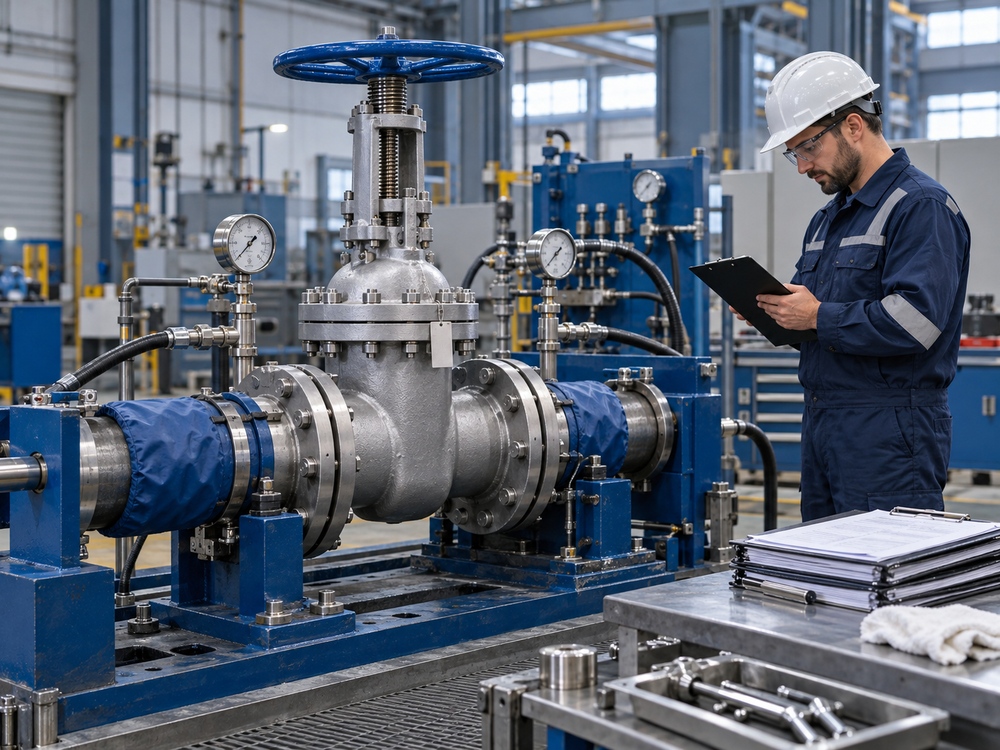
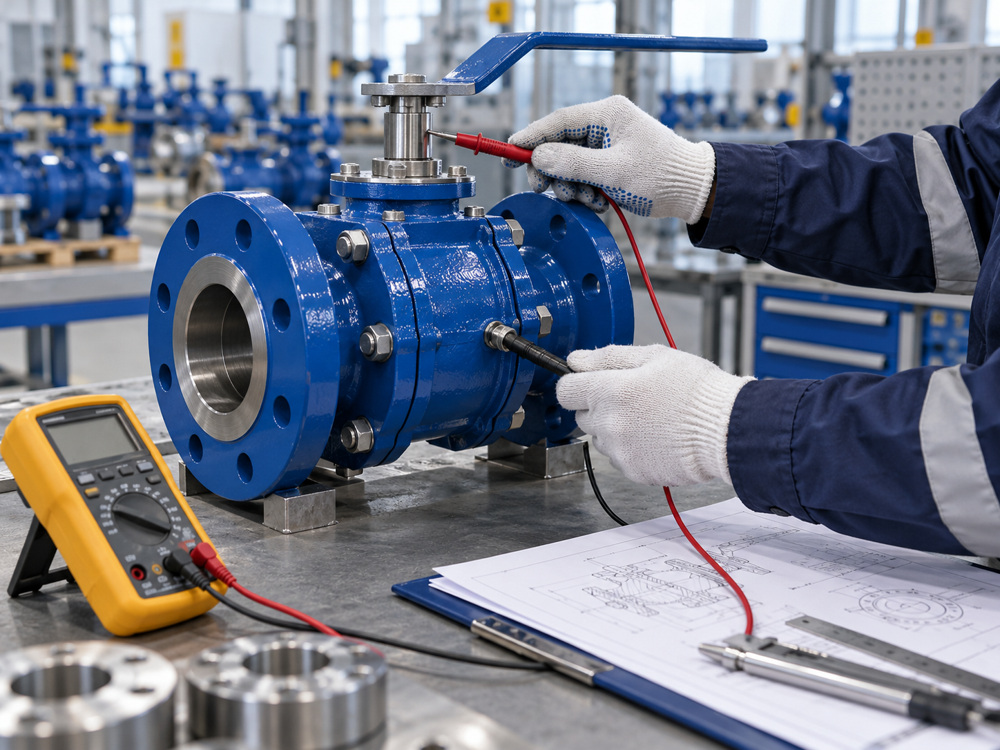
For water treatment valve projects, inspection and packing should focus on sealing performance, coating condition, flange drilling, actuator configuration and export protection.
| Inspection Item | Purpose |
|---|---|
| Visual inspection | Check body coating, liner condition, disc surface, nameplate and appearance. |
| Dimension check | Confirm valve size, flange drilling, face-to-face dimension and actuator mounting interface. |
| Shell and seat test | Verify pressure resistance and sealing performance according to the agreed test standard. |
| Actuator function test | Check opening, closing, position indication and control accessories for actuated valves. |
| Packing inspection | Confirm protective flange covers, crate condition, moisture protection and shipping marks. |
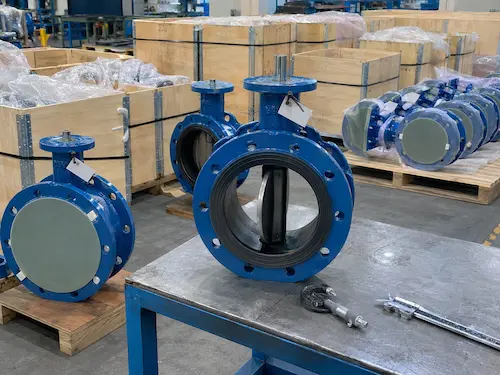
Export packing can include protective flange covers, bubble wrap, moisture-resistant packaging, plywood cases, reinforced crates and palletized loading. For actuator-mounted valves, the actuator and accessories should be protected from impact during transportation.
Selection Notes Before Ordering
 Selection Notes Before Ordering
Before selecting an EPDM lined butterfly valve, the following technical details should be confirmed:
- Valve size and quantity
- Working pressure and design pressure
- Working temperature
- Pipeline medium and chemical concentration
- pH value and solids content, if applicable
- Flange standard and connection type
- Face-to-face dimension requirement
- Body, disc, shaft and liner material
- Manual, pneumatic or electric operation
- Required inspection standard and documentation
- Packing method and delivery schedule
- Potable water approval requirement, if used in drinking water systems
FAQ
1. Is an EPDM lined butterfly valve suitable for water treatment?
Yes. An EPDM lined butterfly valve is suitable for many water treatment applications, including clean water, wastewater, cooling water, utility water and some mild water treatment chemicals. The final selection should still be checked according to medium composition, pressure, temperature, pH value and any certification requirements for potable water service.
2. What media is EPDM suitable for?
EPDM is generally suitable for water, wastewater, steam, ozone exposure, outdoor service and many water-based media. It is not recommended for oil, fuel, mineral oil, strong solvents or highly aggressive chemical media. If the pipeline contains chemical additives, the concentration and operating temperature should be confirmed before valve selection.
3. What is the difference between EPDM and NBR for butterfly valves?
EPDM is commonly used for water, wastewater, cooling water and outdoor applications, while NBR is usually selected for oil, fuel and some petroleum-based media. For water treatment systems, EPDM is often preferred because of its water resistance, ozone resistance and general suitability for water-based service.
4. Can this valve be supplied as wafer, lug or flanged type?
Yes. The EPDM lined butterfly valve can be supplied in wafer type, lug type, U-section type or double flanged type according to the pipeline design. The flange standard, pressure rating, face-to-face dimension and installation requirements should be confirmed before production.
5. What information should be confirmed before ordering?
Before ordering, it is recommended to confirm valve size, pressure rating, working temperature, medium, flange standard, body material, disc material, shaft material, operation type and required testing documents. For automated systems, actuator type, control signal, torque requirement and installation space should also be checked.